Loading moon phase...

The Celtic Gods and Goddesses

These are the Powers who walk between land, sea, and sky… they shaped the stories that shaped us.

Featured Deities

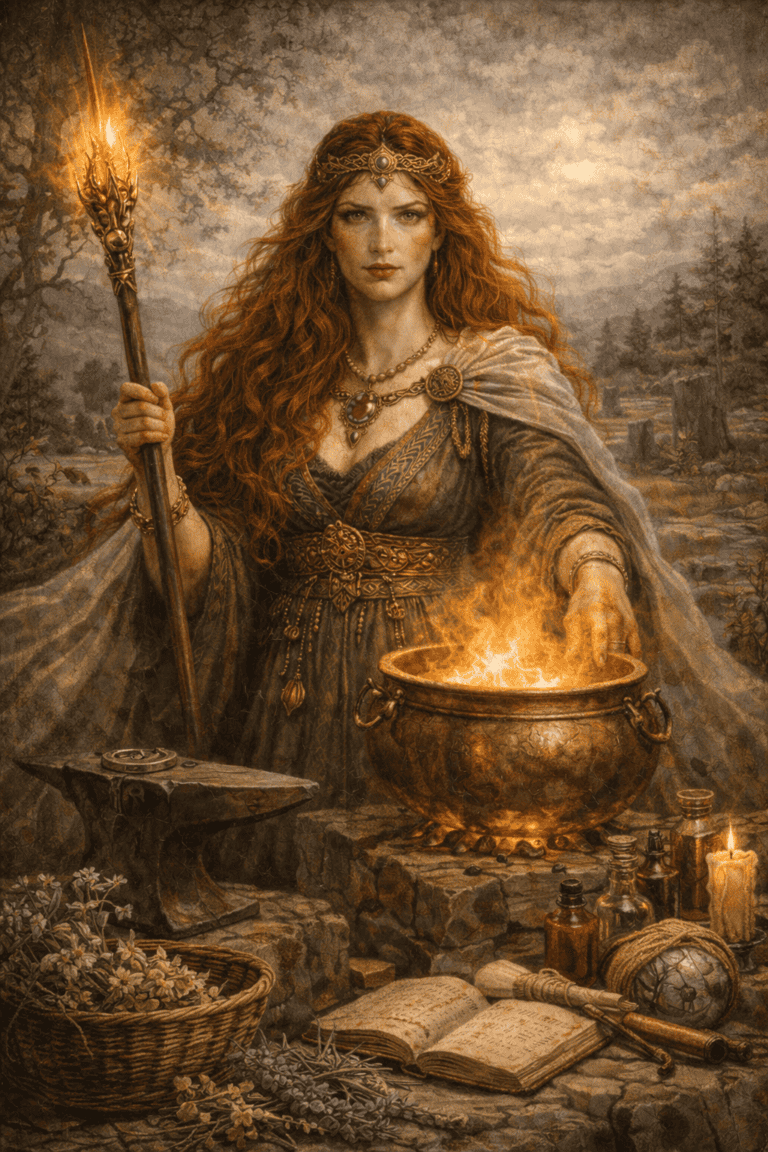
Goddess of healing, poetry, and craft; a bright, many-skilled patron of hearth and inspiration. Brigid bridges sacred fire and fresh water, blessing poets, healers, smiths, and households.
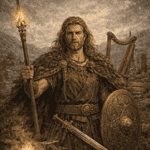
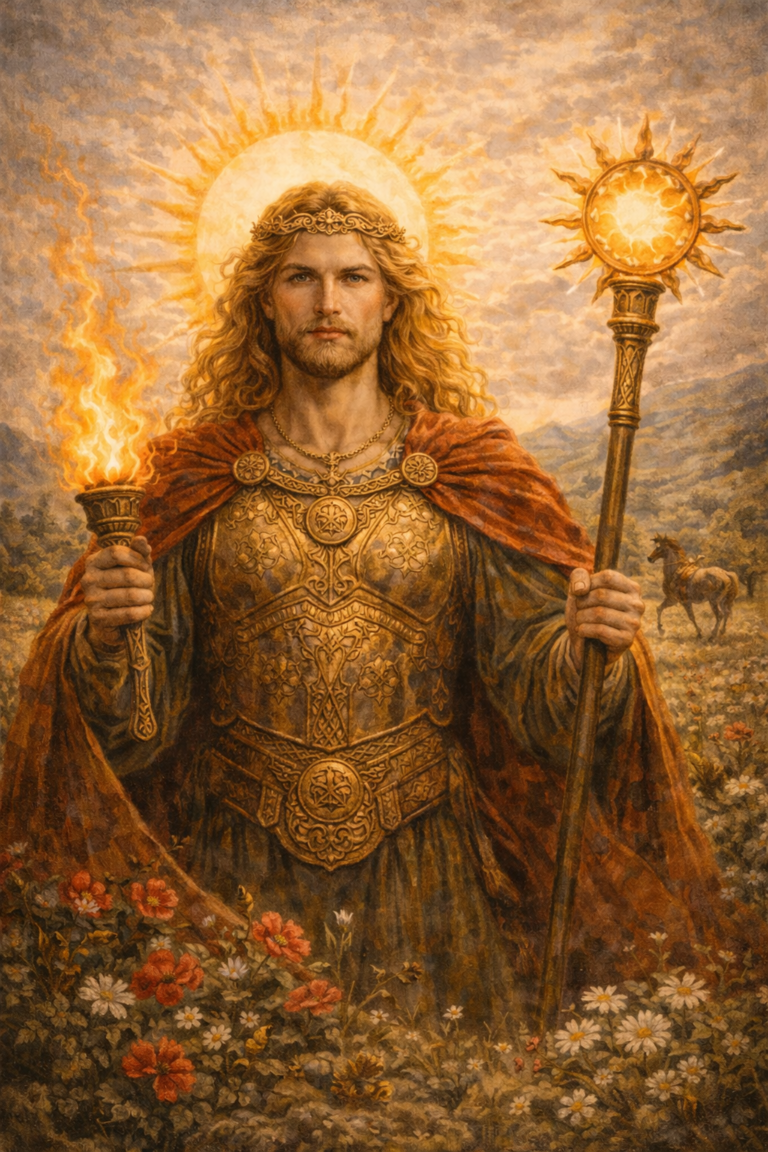
Many-skilled champion of the Tuatha Dé Danann; patron of arts, oaths, and victory. Lugh is the bright master of every craft whose festival Lughnasadh marks the first harvest.
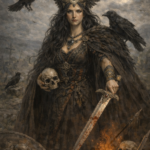
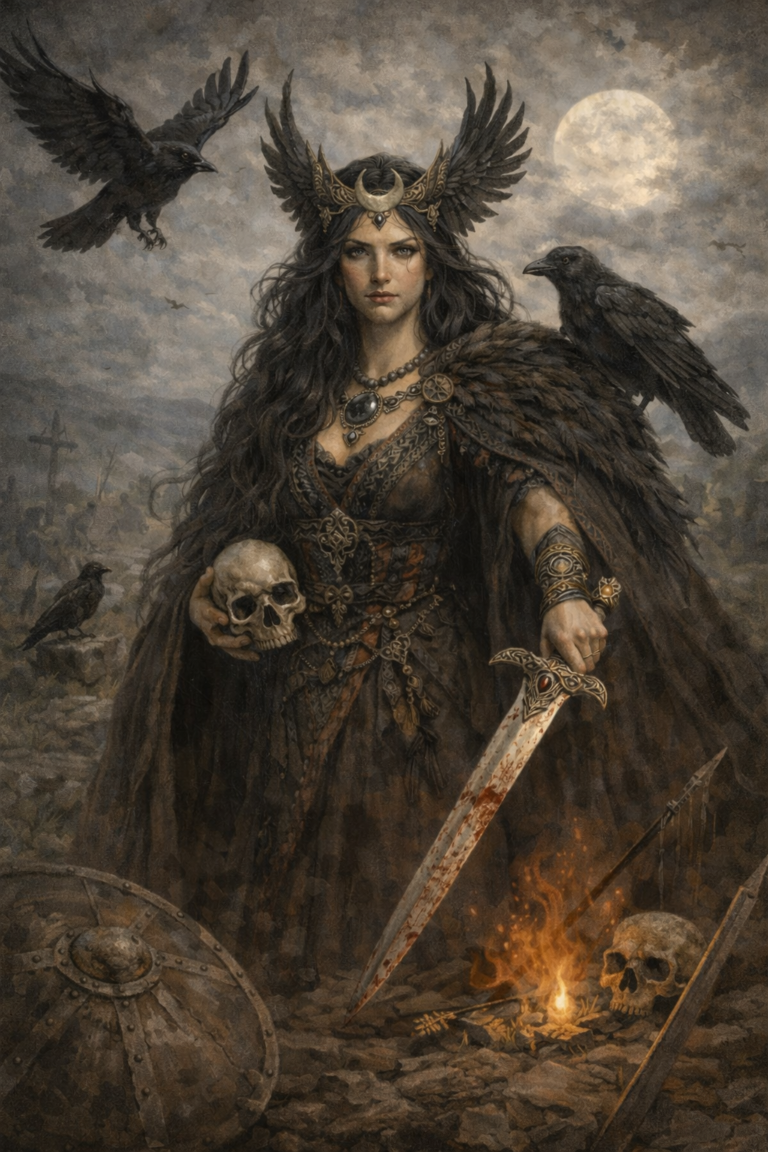
A powerful, shape-shifting goddess of battle, prophecy, and sovereignty. The Morrígan appears as crow or woman at the threshold of conflict, foretelling fate and stirring courage or terror.

Recently Updated

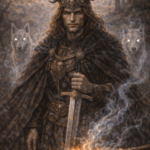
Cú Chulainn
Cú Chulainn is the central hero of the Ulster Cycle, famous for impossible feats, strict geasa, and the terrif…
A figure in elaborate armor and fur cloak, holding a sword with glowing embers, flanked by ghostly wolves.
Arawn
Arawn, King of Annwfn, stands among the most misunderstood figures of Celtic myth. To the uninitiated, he migh…
A Celtic warrior prepared for battle with weaponry, armor, and ancient objects around him, set in a natural landscape.
Lugh
Lugh is one of the most radiant and compelling figures in the Irish mythological tradition: a master of many a…
Caption: A powerful druidic figure stands amidst ritual paraphernalia, echoing ancient Celtic spiritual themes under moonlight.
The Morrígan
The Morrígan is one of the most arresting presences in Irish tradition: a figure of terror and truth whose pro…

Who were the Gods and Godessess

The Celtic deities are a diverse group of gods and goddesses found across the ancient cultures of Ireland, Scotland, Wales, and Gaul. Rather than forming a single, unified pantheon like the Greeks or Romans, Celtic deities are deeply regional and often tied to specific landscapes, tribes, and natural forces. Many embody roles connected to everyday life, such as craftsmanship, healing, poetry, warfare, and kingship… while others personify rivers, hills, seasons, or the boundaries between the human world and the Otherworld. Although details vary by region and surviving sources, Celtic deities consistently reflect a worldview in which nature, sovereignty, and the supernatural are closely interconnected. Here, gods act less as distant rulers and more like active participants in the rhythms of the land and the lives of its people.
Browse All Deities

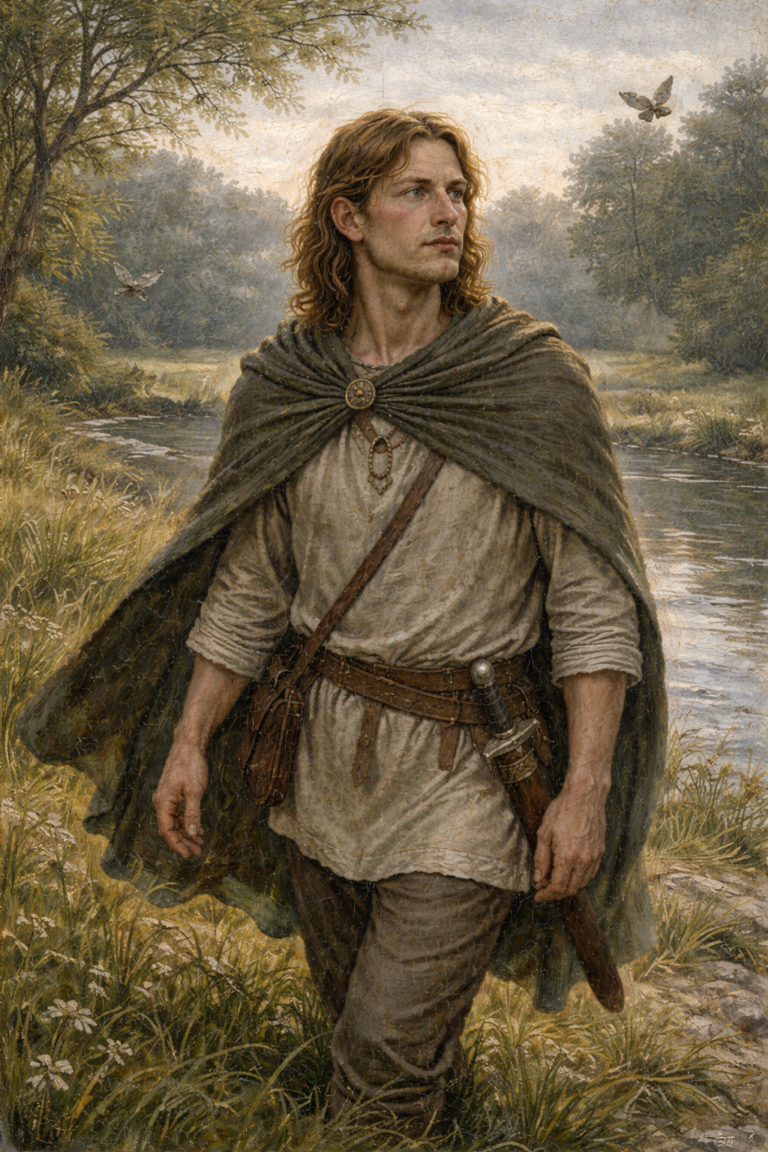
Aengus mac Óg

A detailed painting of a Celtic male figure in a serene natural landscape, emphasizing historical dress.
Irish
Poetic, youthful god of love and dream-vision, son of the Dagda and the river goddess Boann. Aengus charms with hospitality and cunning, guiding seekers toward joy and true belonging.

Arawn

A fantasy-styled character embodying strength and connection to nature and spirit.
Welsh
Lord of Annwn, the Welsh Otherworld, who rules with justice and hospitality. Arawn tests character, rewards honor, and stands at the crossing between life and death.

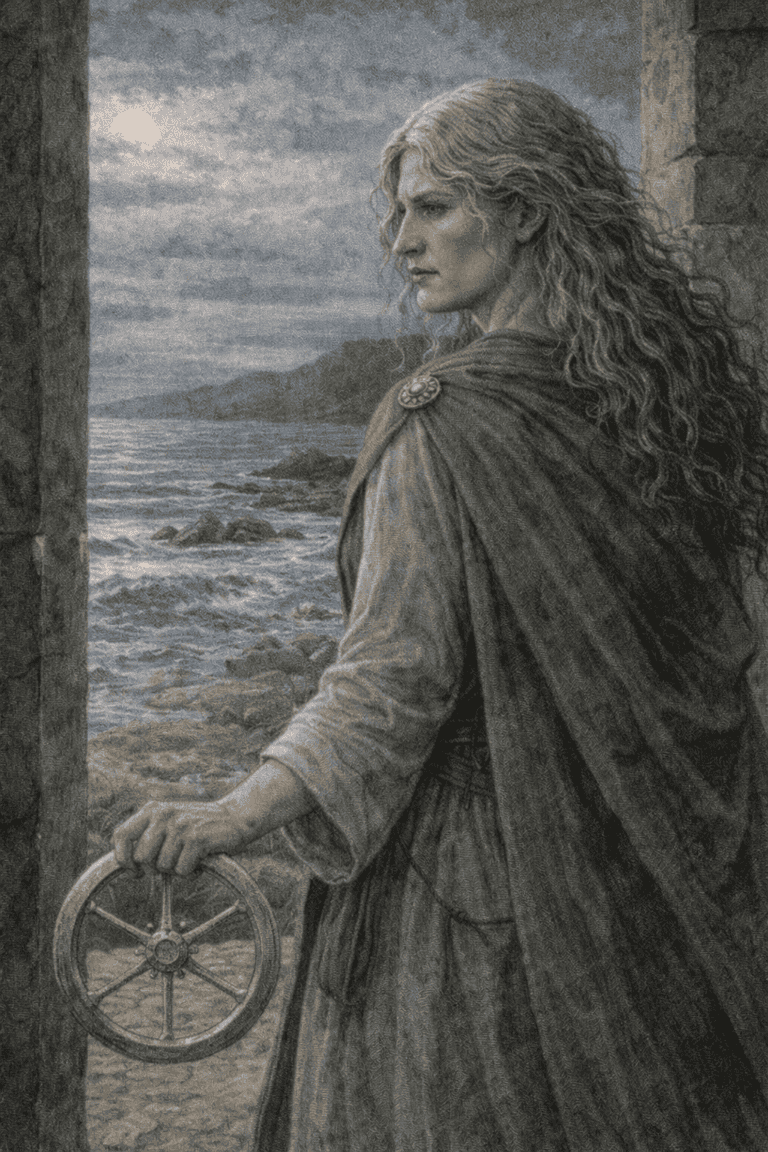
Arianrhod

A serene Celtic-inspired scene featuring a woman by the water at night, with a moon illuminating her contemplative stance.
Welsh
Welsh lady of sovereignty and magic whose name evokes the ‘silver wheel.’ Arianrhod presides over initiation, restriction, and the forging of identity.

Belenus

brythonic, Gaulish
Bright one of the Brythonic and Gaulish world. patron of light, healing springs, and the grace of returning warmth.

Blodeuwedd

A woman with a flower crown holds an owl amidst a floral forest background.
Welsh
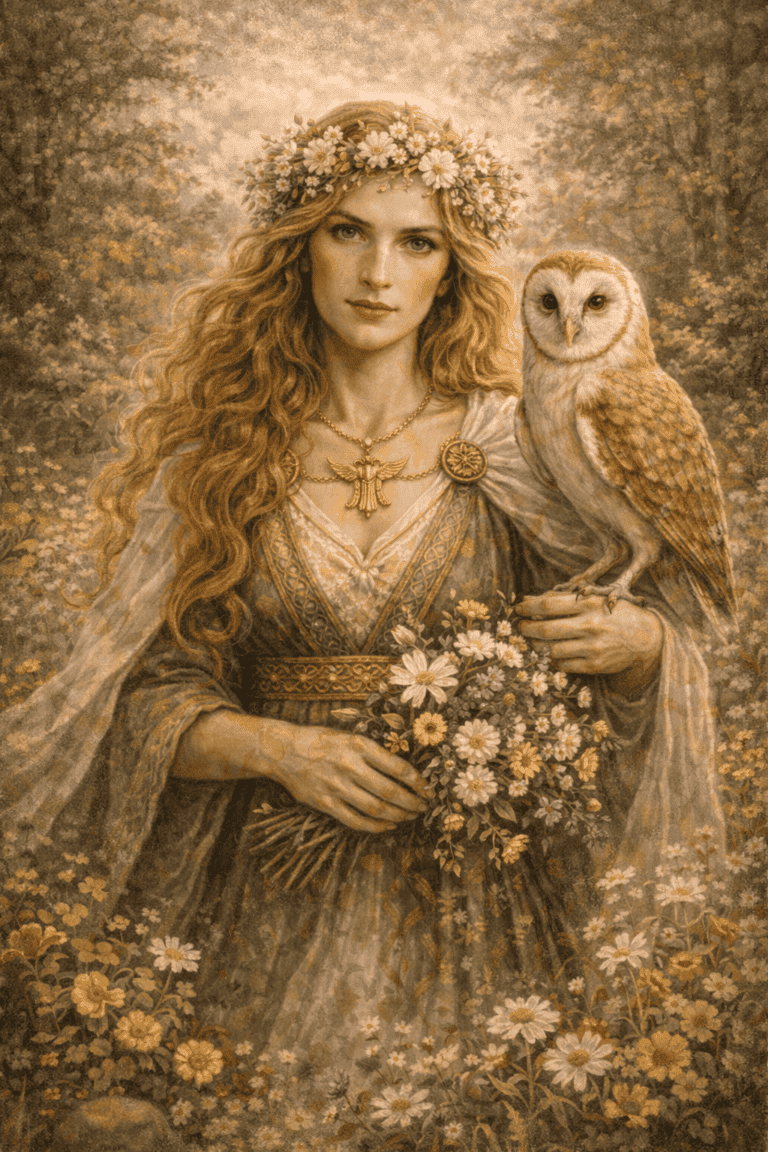
Flower-born goddess of transformation whose tale of choice and consequence ends beneath the wings of night.

Boann

Irish
Goddess of the River Boyne, associated with inspiration, fertility, and the generous flow that nourishes both land and story. Mother of Aengus by the Dagda.

Brigid

An outdoor Celtic ritual scene features a woman with red hair, wearing ornate jewelry, performing magic with a staff and cauldron amidst nature.
Irish
Goddess of healing, poetry, and craft; a bright, many-skilled patron of hearth and inspiration. Brigid bridges sacred fire and fresh water, blessing poets, healers, smiths, and households.

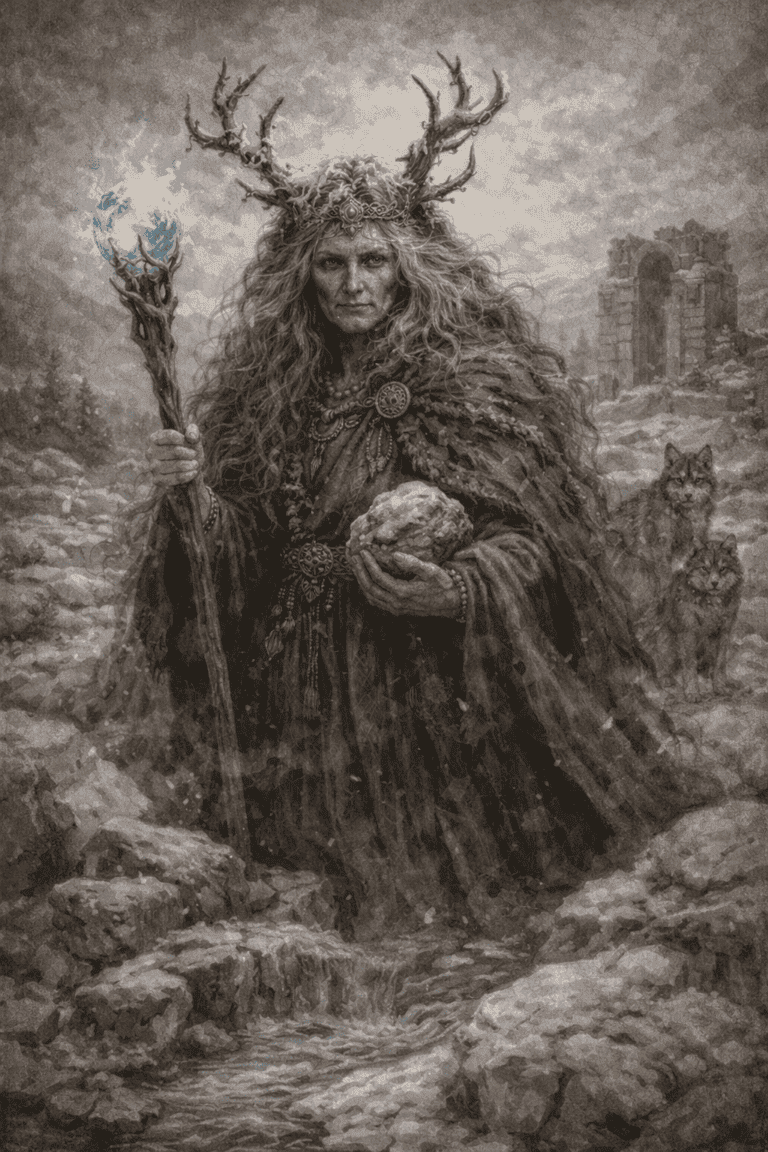
Cailleach Bhéara

A druidic figure holding a staff with glowing orb and a stone, accompanied by wolves.
Irish, Scottish
Ancient hag of winter and shaper of the land; she commands storms, frost, and the turning of seasons. Feared and revered, she embodies endings that make renewal possible.

Ceridwen

A woman dressed in Celtic-inspired clothing with jewelry, stirring a cauldron amidst a moonlit forest scene.
Welsh
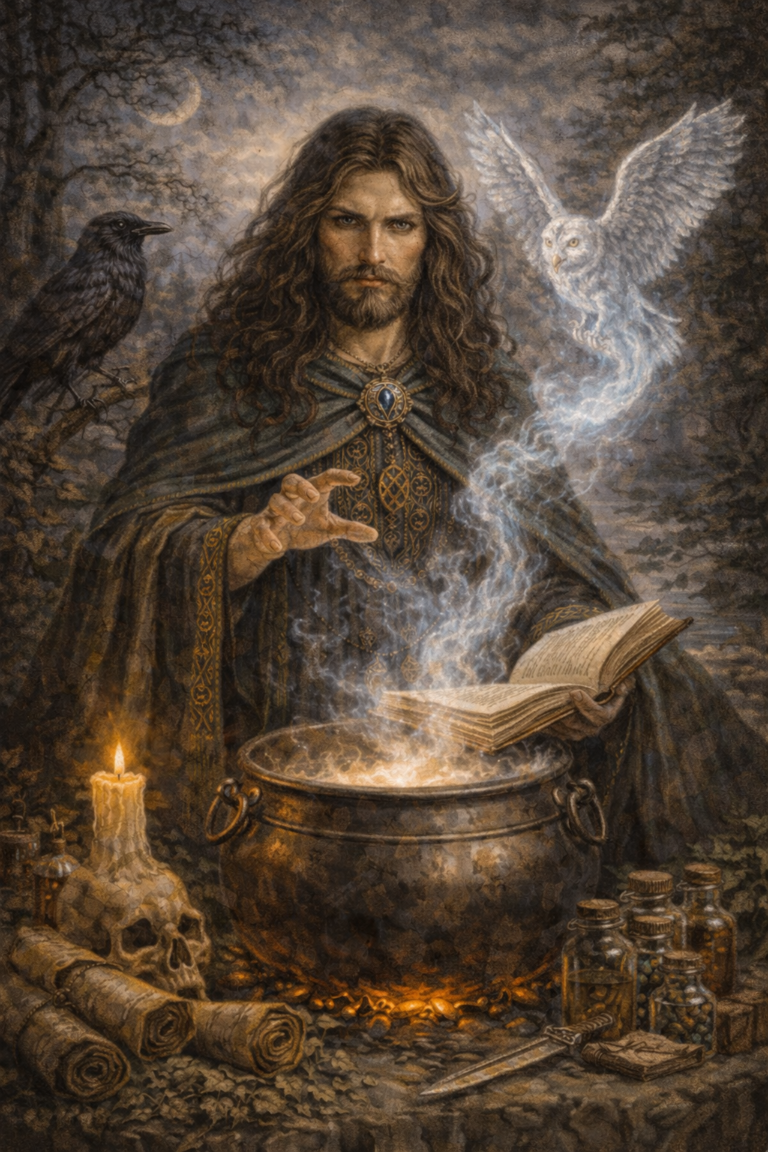
Cerridwen is the Welsh goddess of transformation and inspiration, keeper of the cauldron of Awen, the divine poetic inspiration. Through her, wisdom is brewed, death becomes rebirth, and the soul learns the art of becoming whole.

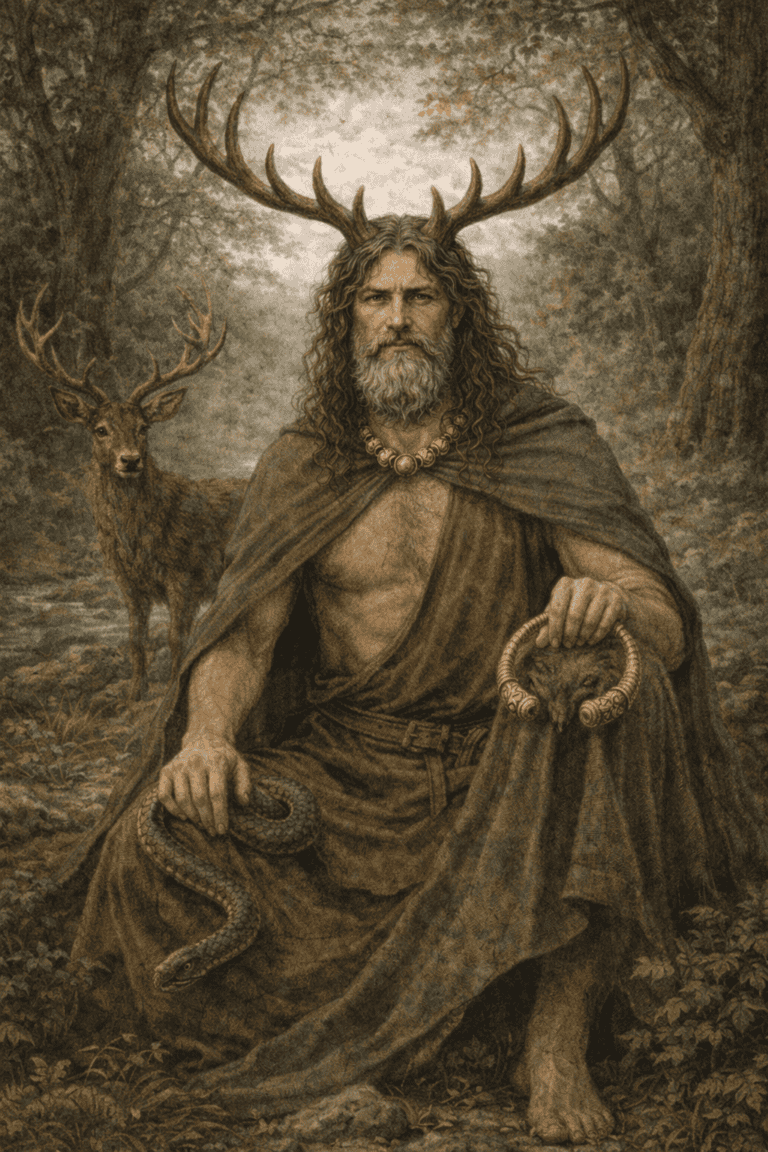
Cernunnos

A druidic figure with antler headdress and animal companions in a woodland.
Gaulish
Horned god of wild places, pictured seated cross-legged with stag antlers. Cernunnos governs the traffic of life between wilderness, wealth, and the underworld’s deep stores.

Cú Chulainn

Irish

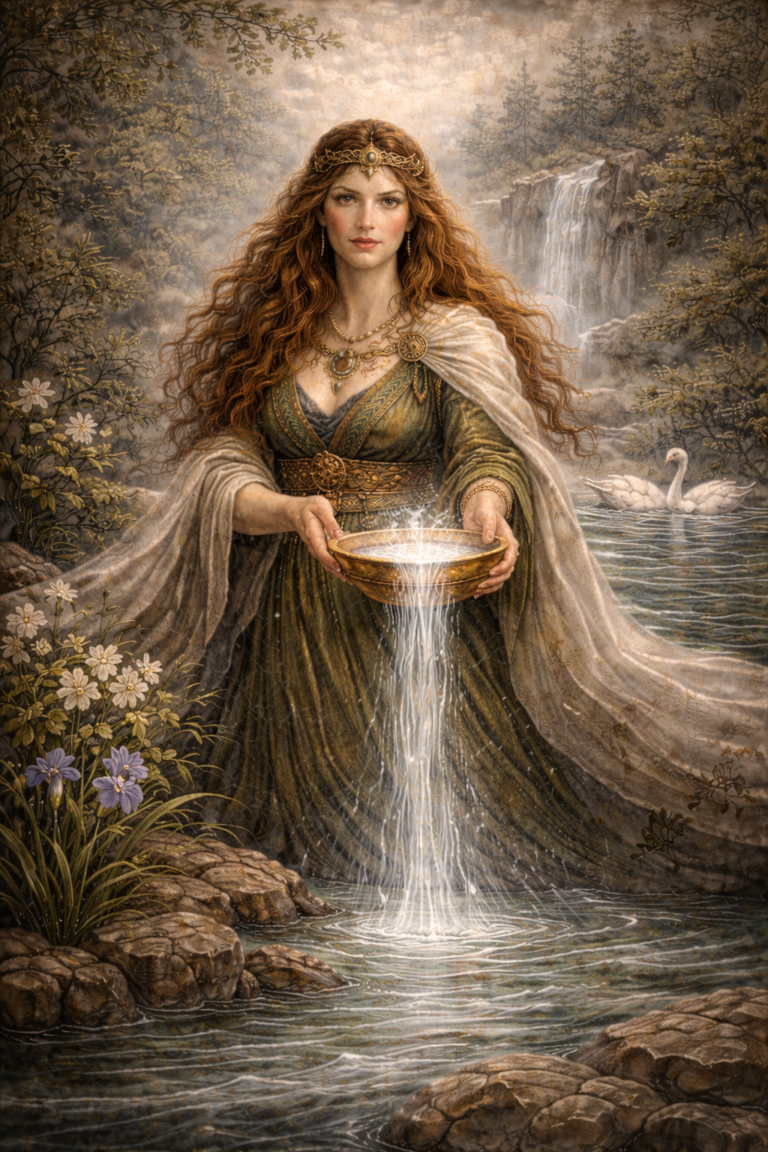
Danu

A woman with long, flowing red hair in ancient Celtic attire holds a glowing bowl over a stream.
Irish
Ancestral mother of the Tuatha Dé Danann, associated with rivers, abundance, and the mysterious wellspring of skill and magic.

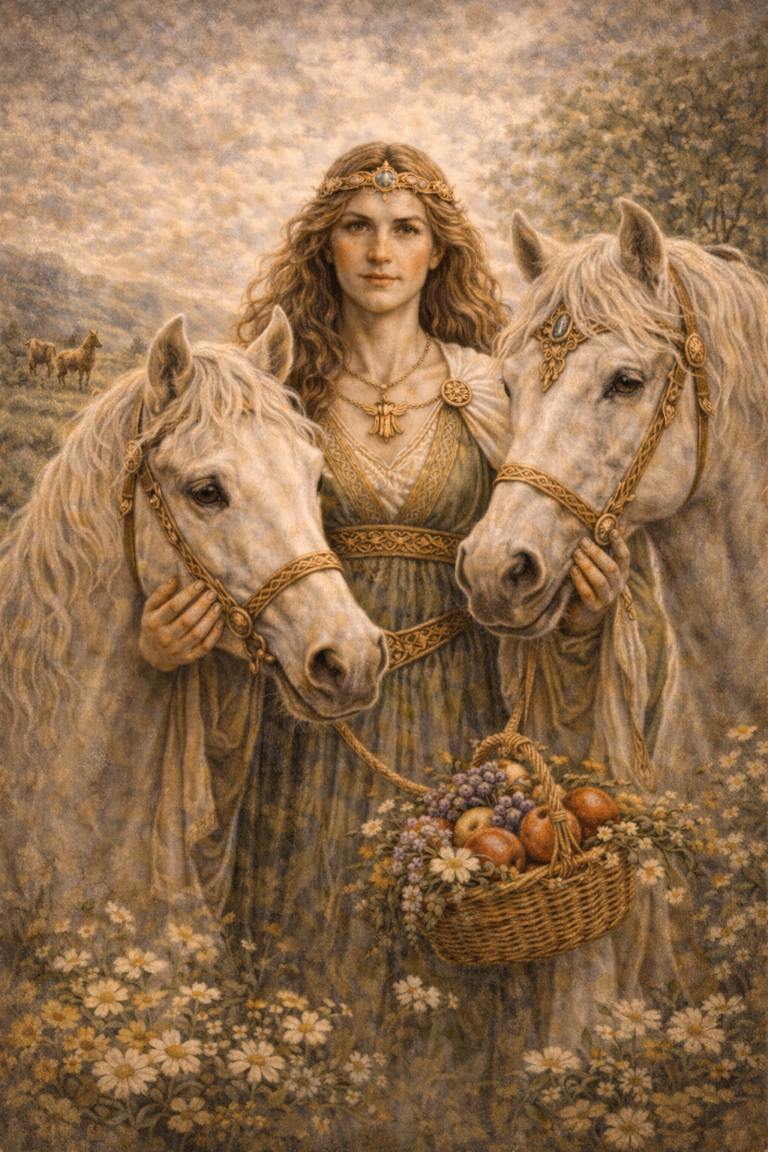
Epona

Intricate jewelry and clothing reflect Celtic spiritual traditions and druidic symbols.
british, Gaulish
Horse goddess revered across Gaul and the Roman Empire. Epona protects riders and herds, blesses travel and fertility, and stands as a symbol of freedom and well-being.

Ériu

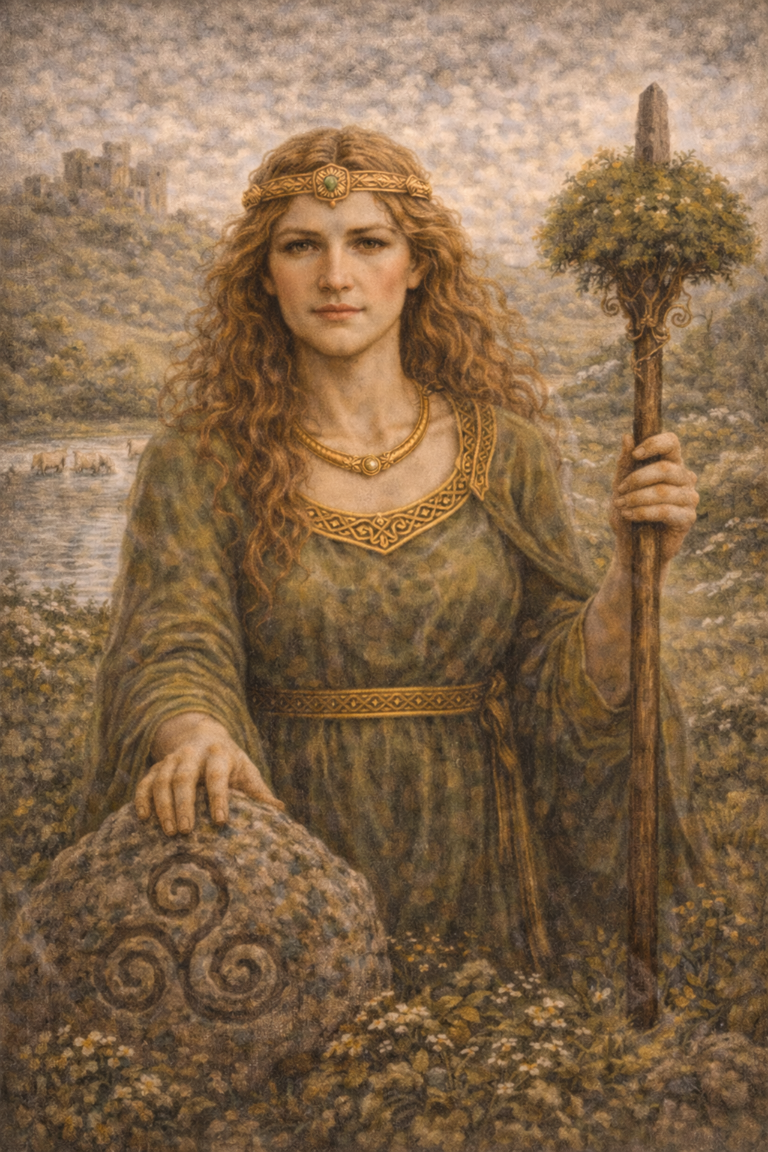
A woman with long, curly red hair, wearing Celtic jewelry, stands outdoors holding a carved ogham stick amidst greenery.
Irish
Sovereignty goddess whose name crowns the island. granting blessing to rightful rule and withholding it from the unworthy.

Goibniu

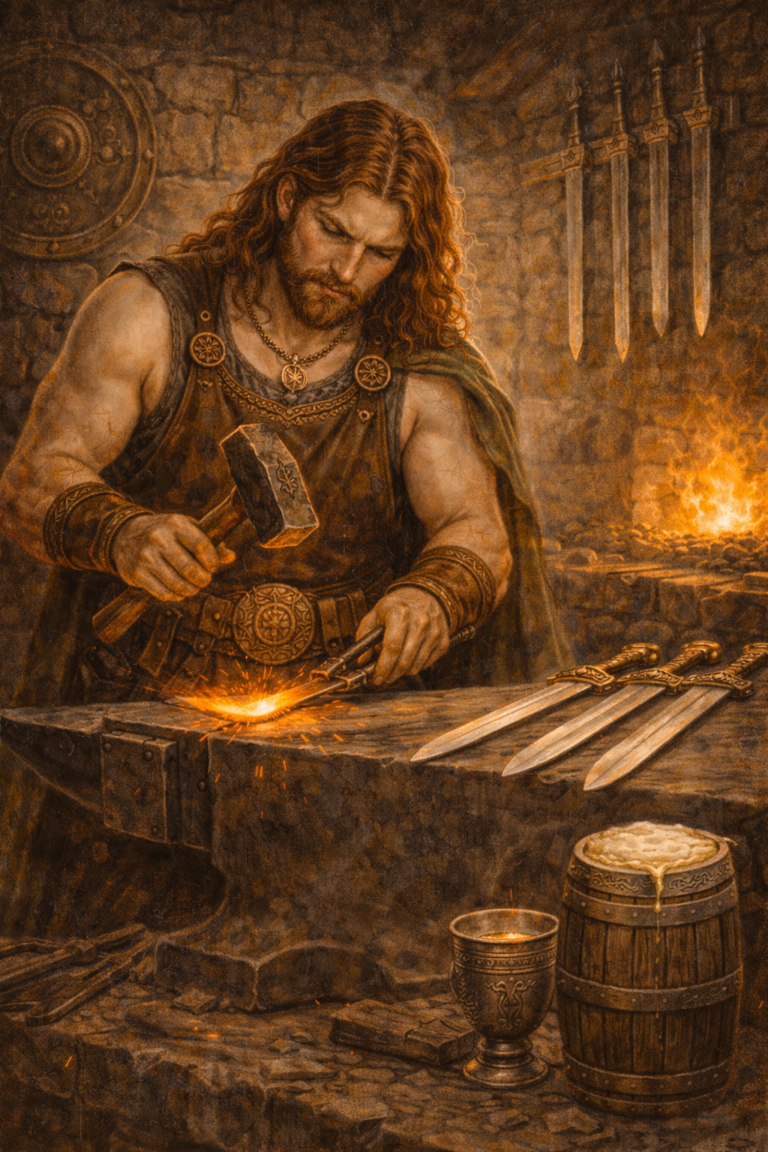
A determined warrior hammering a sword on an anvil, surrounded by weapons and fire.
Irish
Divine smith of the Tuatha Dé Danann whose feast confers health and whose craft forges what endures.

Gwydion

Welsh
Trickster-mage of the Mabinogi whose cleverness makes and unmakes fates. creator of Blodeuwedd and tutor of Lleu.

Leanan Sídhe

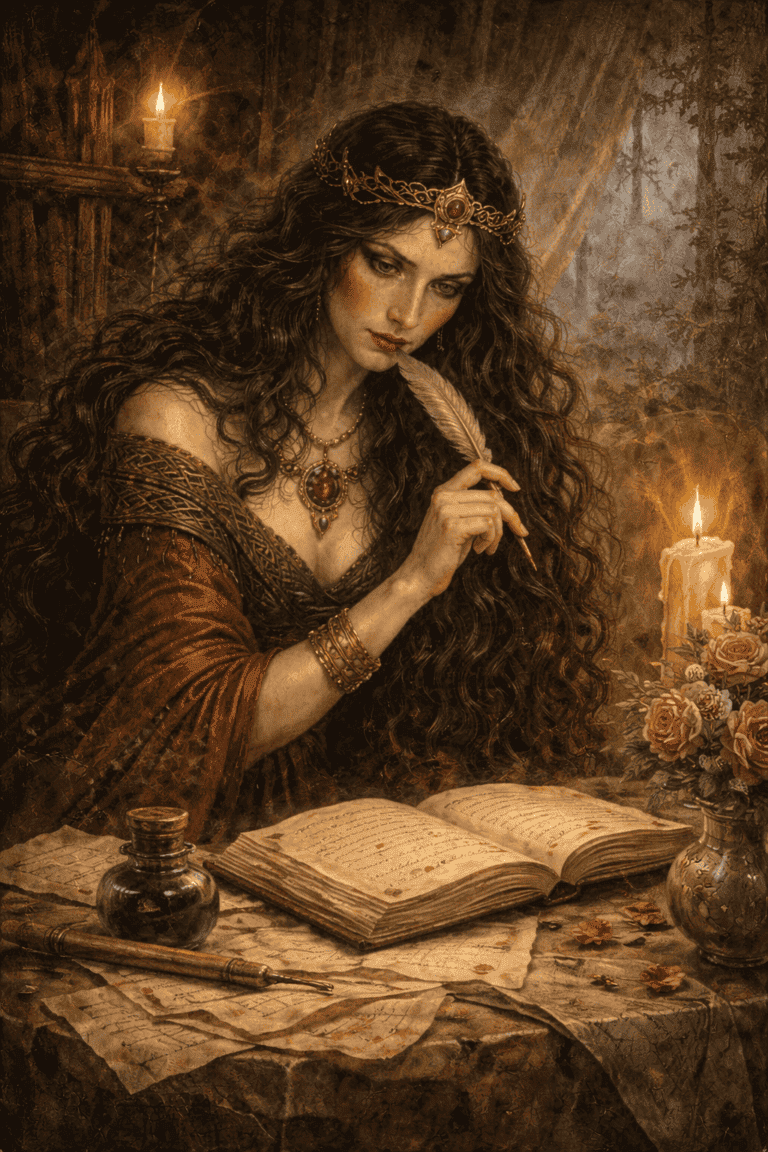
A woman with long curly hair wearing jewelry, writing with a quill at a candlelit table.
Irish, Manx
Otherworld muse who offers brilliance at a cost. honeyed inspiration that demands the truth of one’s life.

Lir

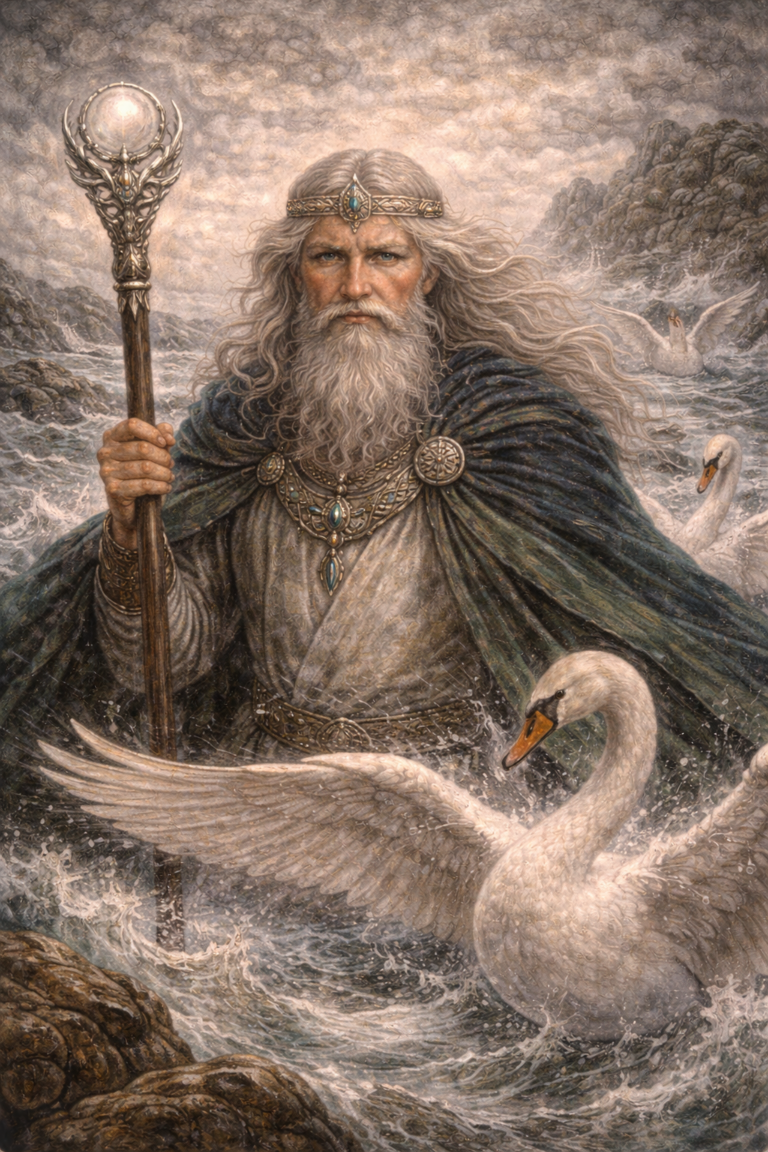
Ancient Celtic spiritual figure with long hair, beard, and regal attire, amid swans and turbulent waters.
Lir is a sea deity of Irish tradition, best known as the father of Manannán mac Lir and as the tragic figure associated with The Children of Lir. He represents the enduring, impartial power of the sea and the emotional cost of loss, exile, and time.

Lleu Llaw Gyffes

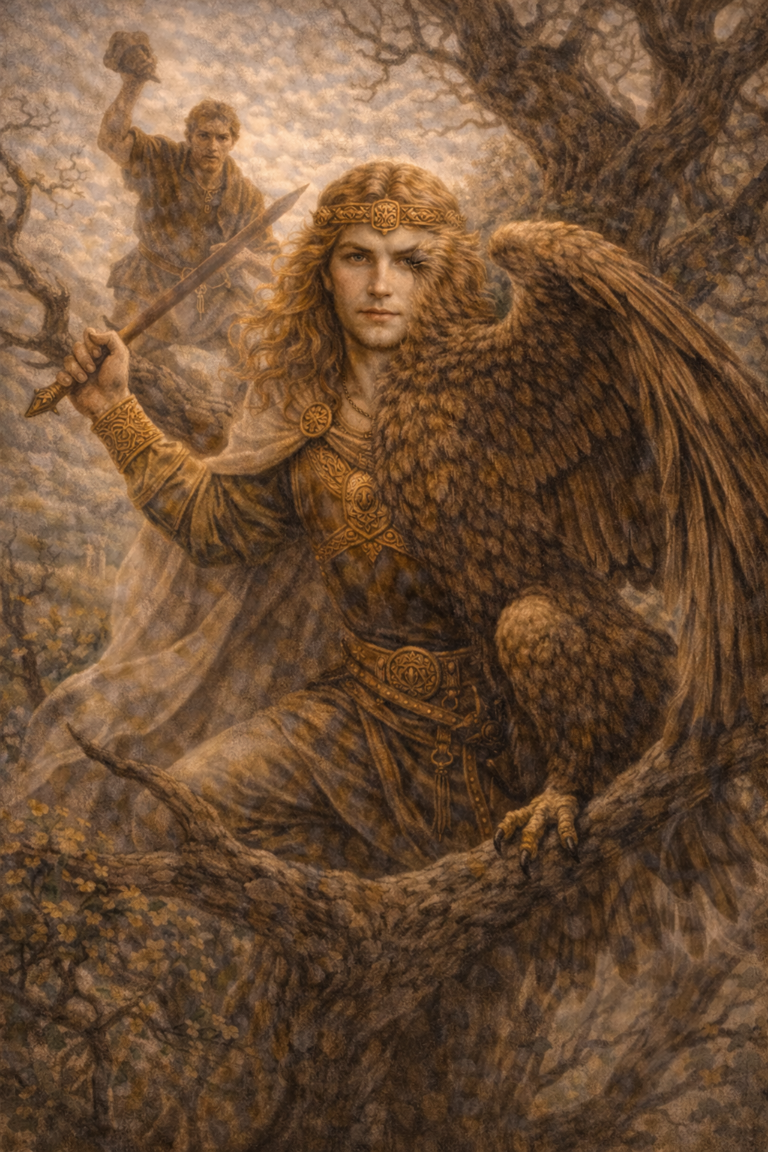
Ancient Celtic warrior holding a sword with an eagle perched on a tree branch.
Welsh
Hero of the Fourth Branch of the Mabinogi, Lleu Llaw Gyffes is a skilled, bright youth shaped by curses, clever magic, betrayal, and hard-won sovereignty.

Lugh

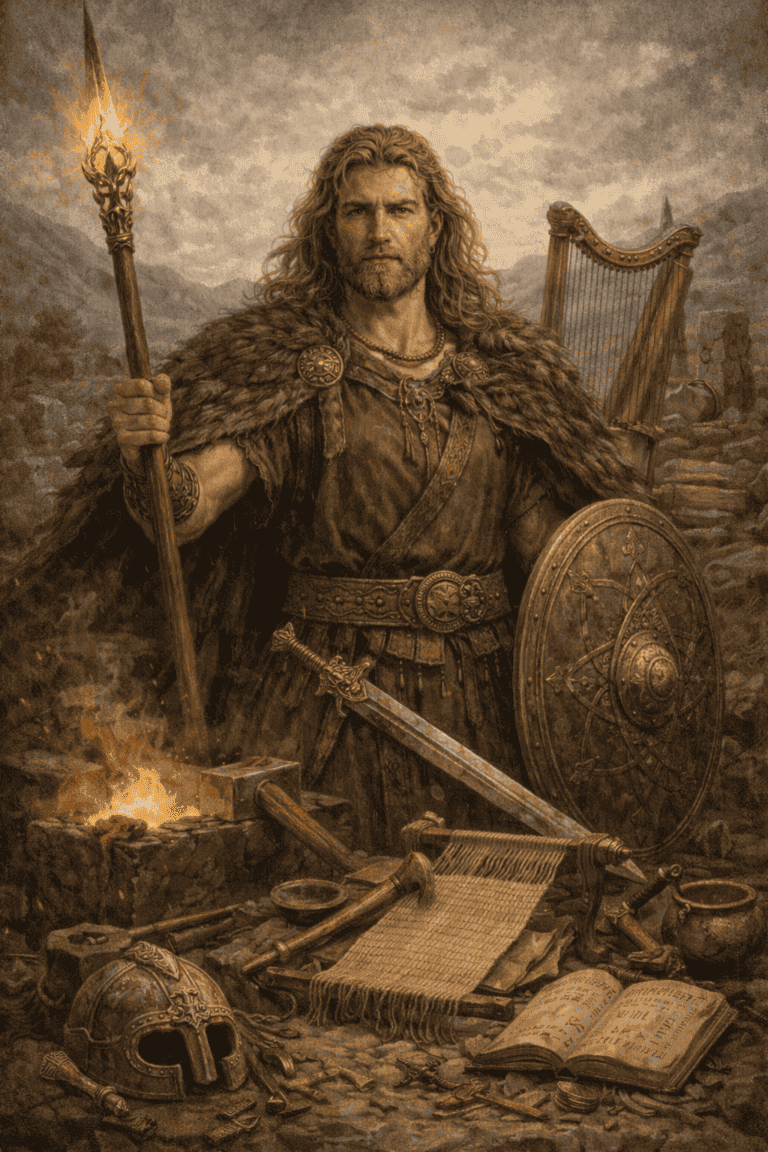
A medieval-style warrior holding a sword and shield, standing amidst tools and relics in a rocky outdoor setting.
Irish
Many-skilled champion of the Tuatha Dé Danann; patron of arts, oaths, and victory. Lugh is the bright master of every craft whose festival Lughnasadh marks the first harvest.

Mabon ap Modron

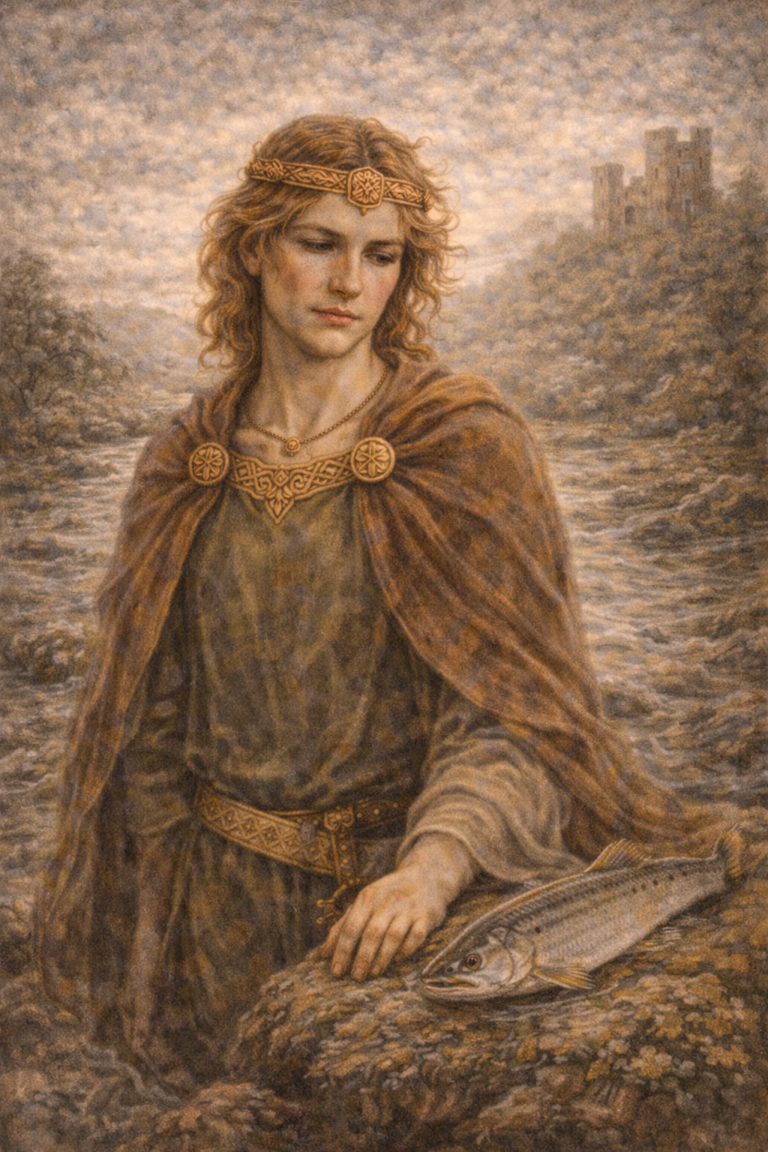
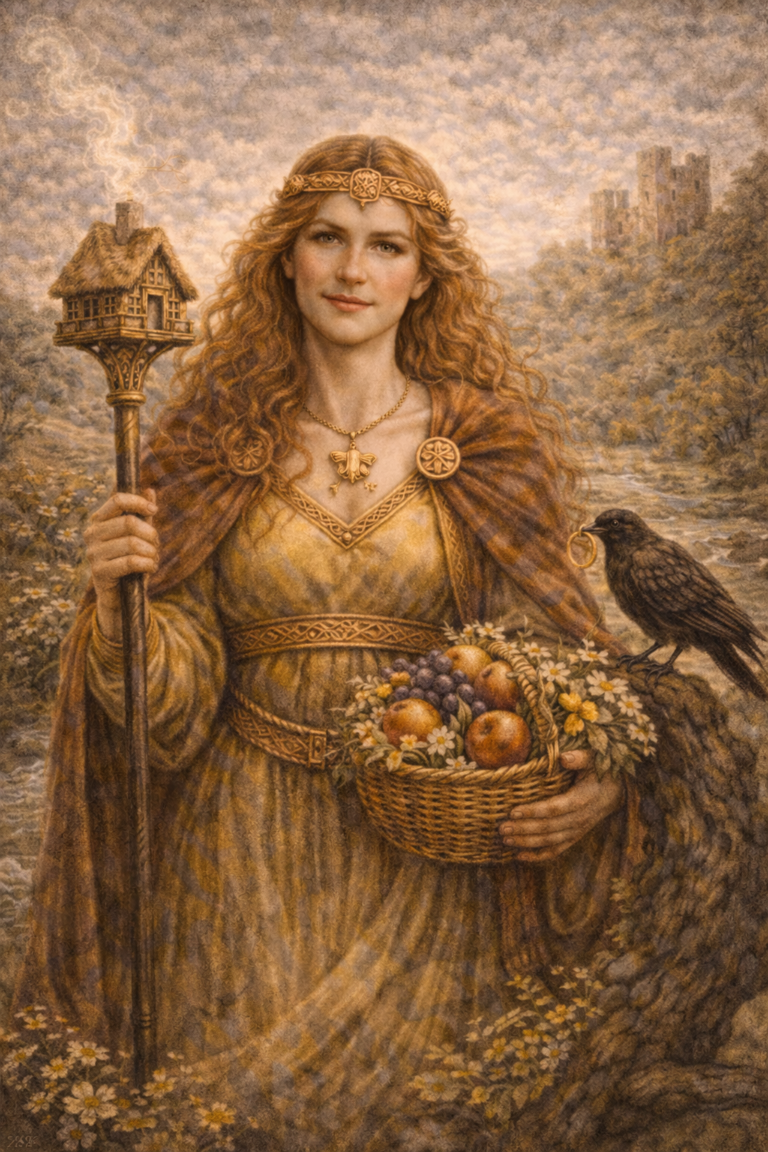
A young woman dressed in Celtic-style clothing sits by a river holding a fish, surrounded by trees and a castle in the background.
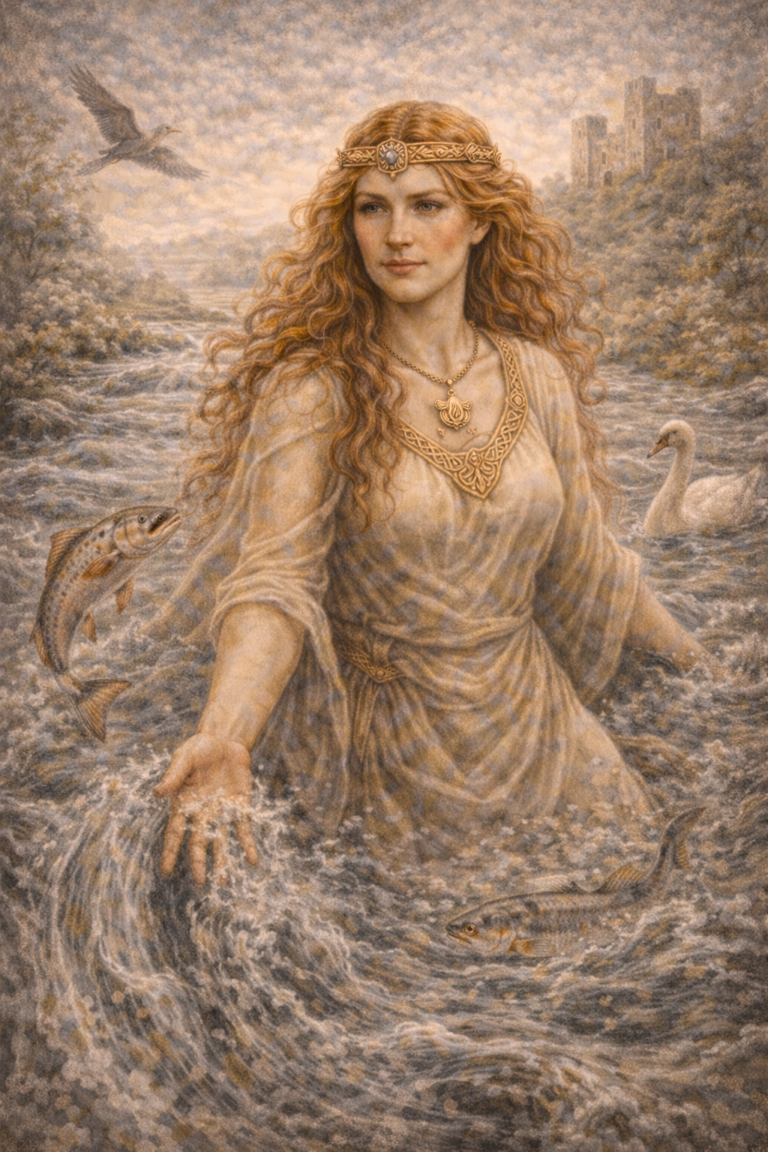
Mabon ap Modron, “the Son of the Divine Mother”, is the youthful god of renewal, taken from his mother three nights after birth and imprisoned until rediscovered by Arthur’s companions. His myth speaks of the soul’s descent into darkness and its eventual liberation through wisdom and courage.

Manannán mac Lir

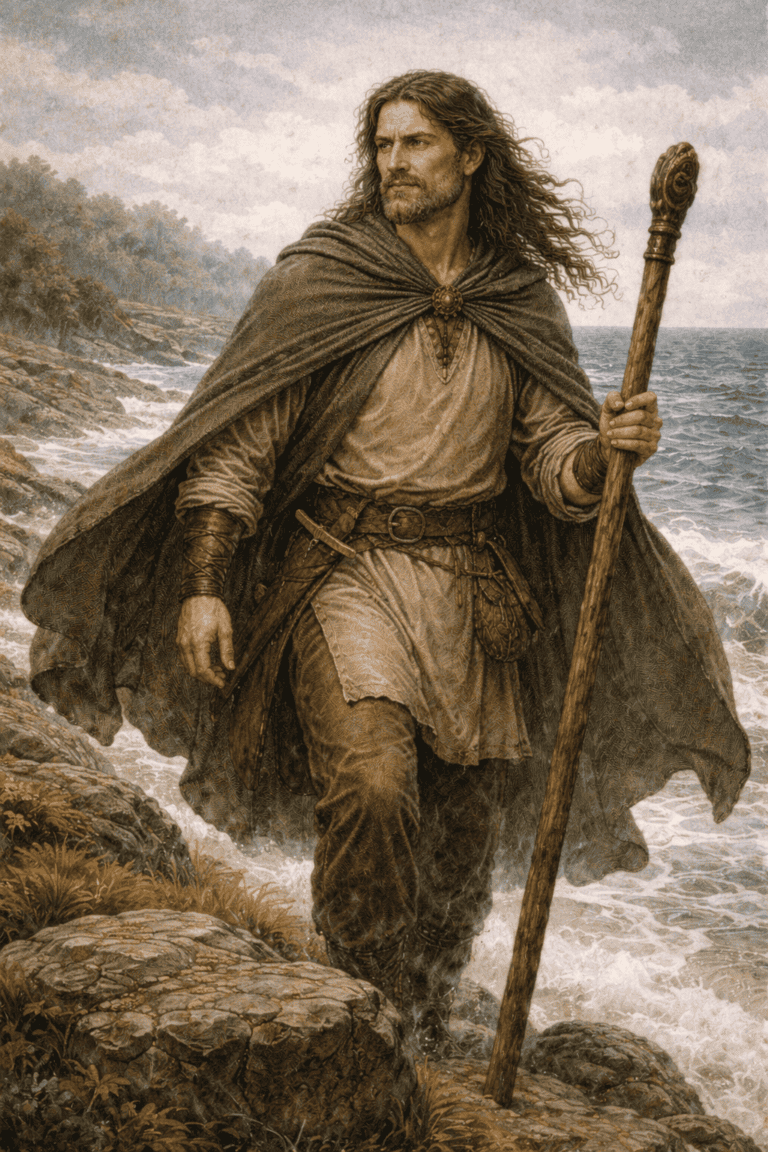
A historical figure dressed in earth-toned linen clothing, holding a staff near the water.
Irish, Manx
Irish sea deity associated with sovereignty, boundary-keeping, and passage between the human world and the Otherworld. He governs movement, concealment, and access rather than force, appearing as a guide and regulator who maintains balance between realms.

Maponos

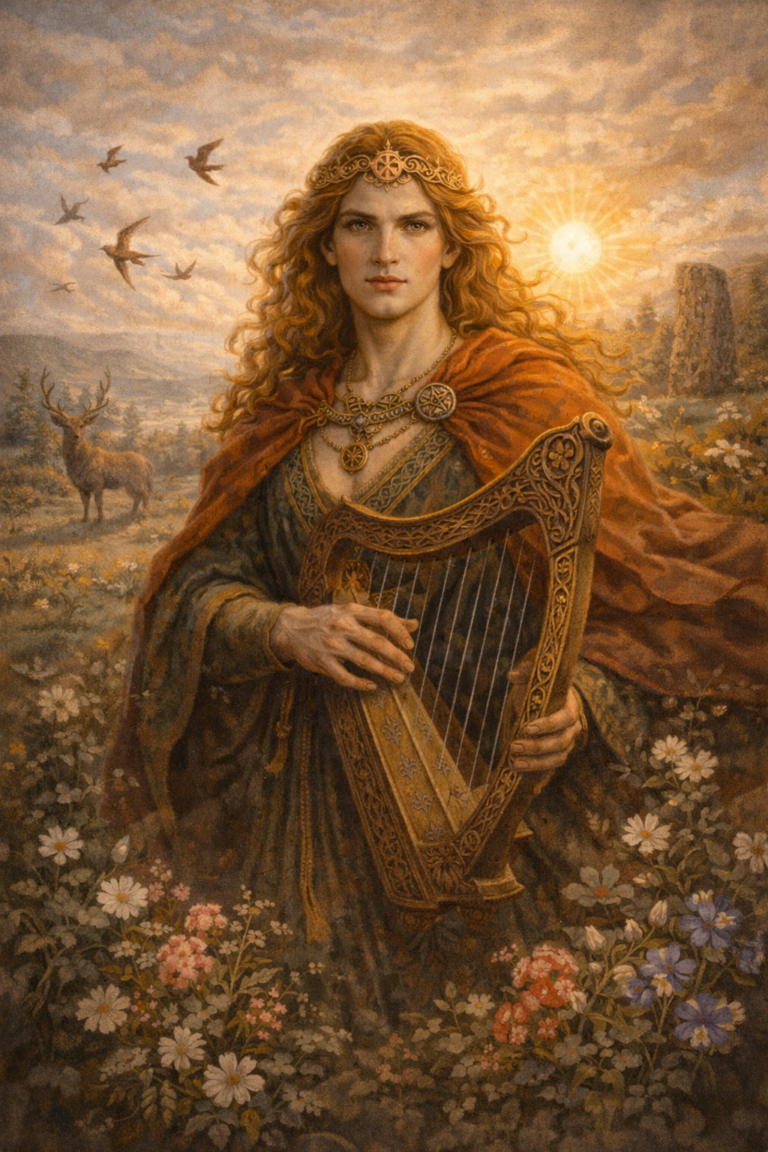
A woman with long, flowing hair, dressed in traditional Celtic attire, playing a harp amidst a scenic landscape with deer and birds.
brythonic, Gaulish
Young god of sacred song and renewal, Maponos embodies the eternal youth whose voice bridges mortality and divinity. Associated with healing springs, dawn light, and poetic inspiration, he is the breath of art that restores and revives the soul.

Modron

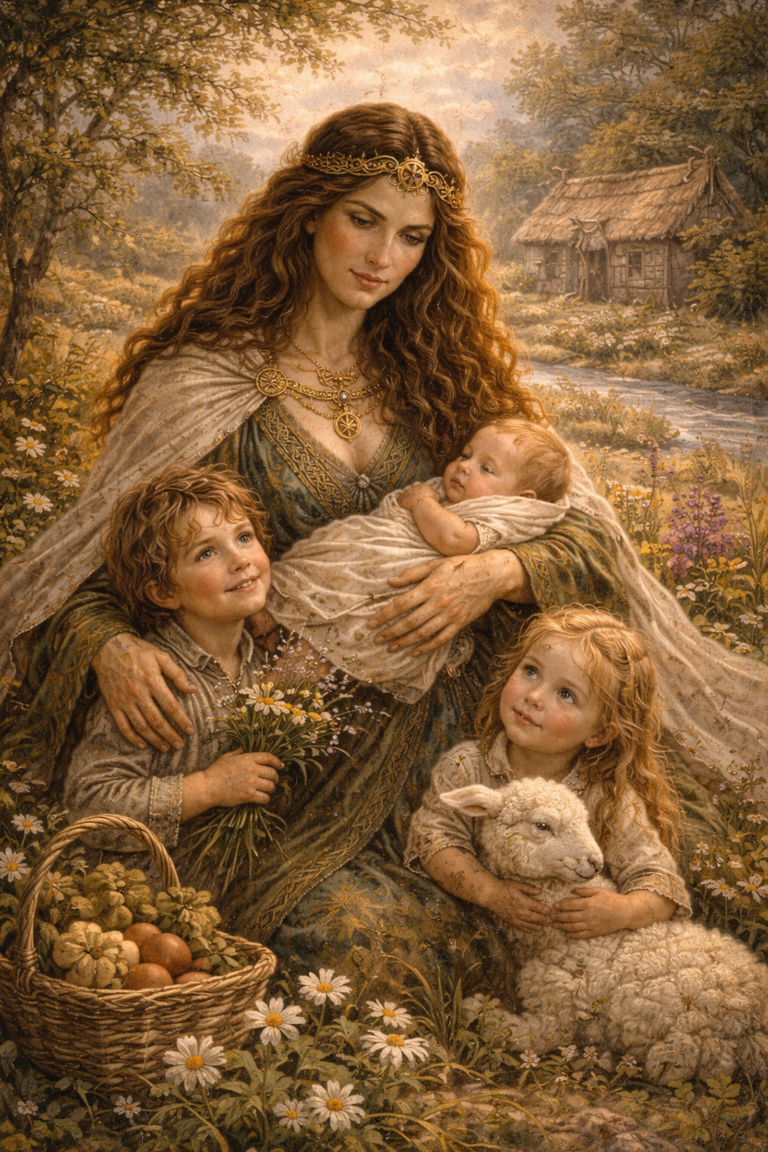
A peaceful scene of a woman with children, a sheep and a basket of apples in a lush field.
brythonic
Divine mother of Mabon (Maponos), Modron embodies the fertile, mysterious power that births and renews divine life. She represents both personal rebirth and the land’s cyclical fertility, the mother whose children are the seasons themselves.

Nantosuelta

Gaulish
Gaulish goddess of hearth and valley, renewal through tending, prosperity through seasonal care.

Nemetona

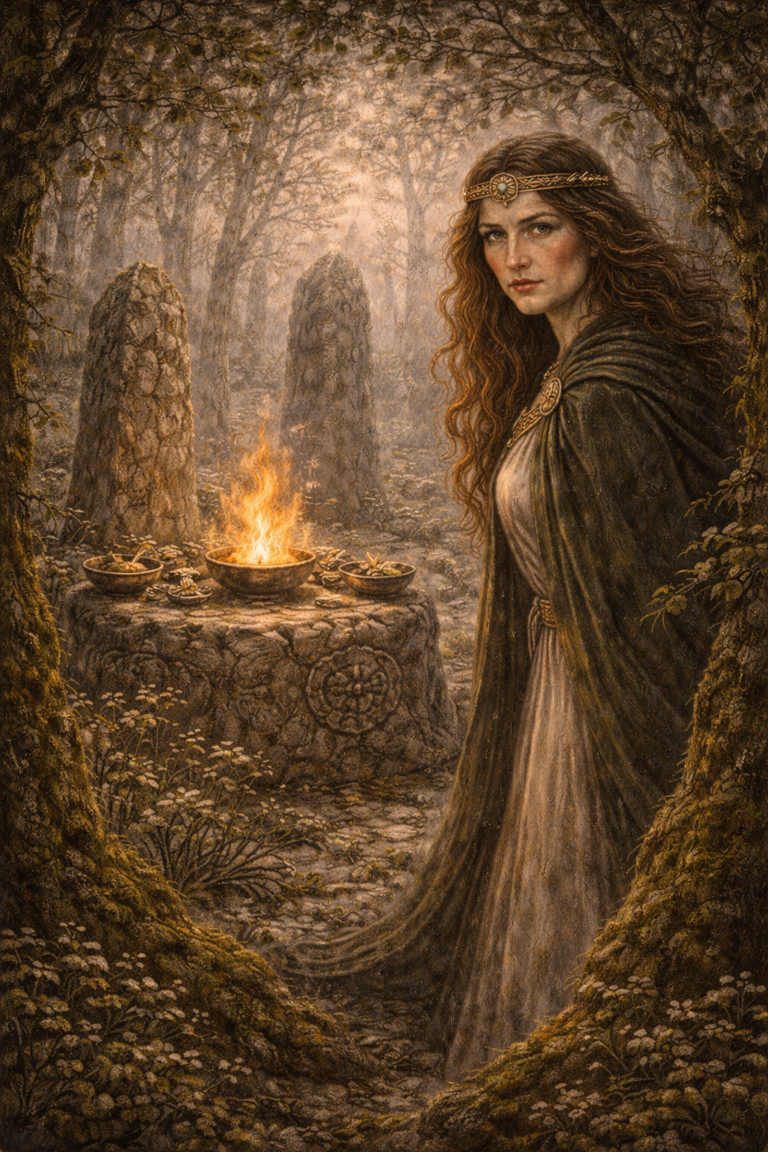
A woman druid in a forest setting, with ogham stones, a small fire, and ancient symbols, surrounded by trees and mist.
Gaulish
Gaulish deity associated with sacred groves, ritual space, and the formal setting of religious practice. She represents consecrated land and the boundary between ordinary space and sacred activity rather than a personalized or narrative-driven divinity.

Nuada Airgetlám

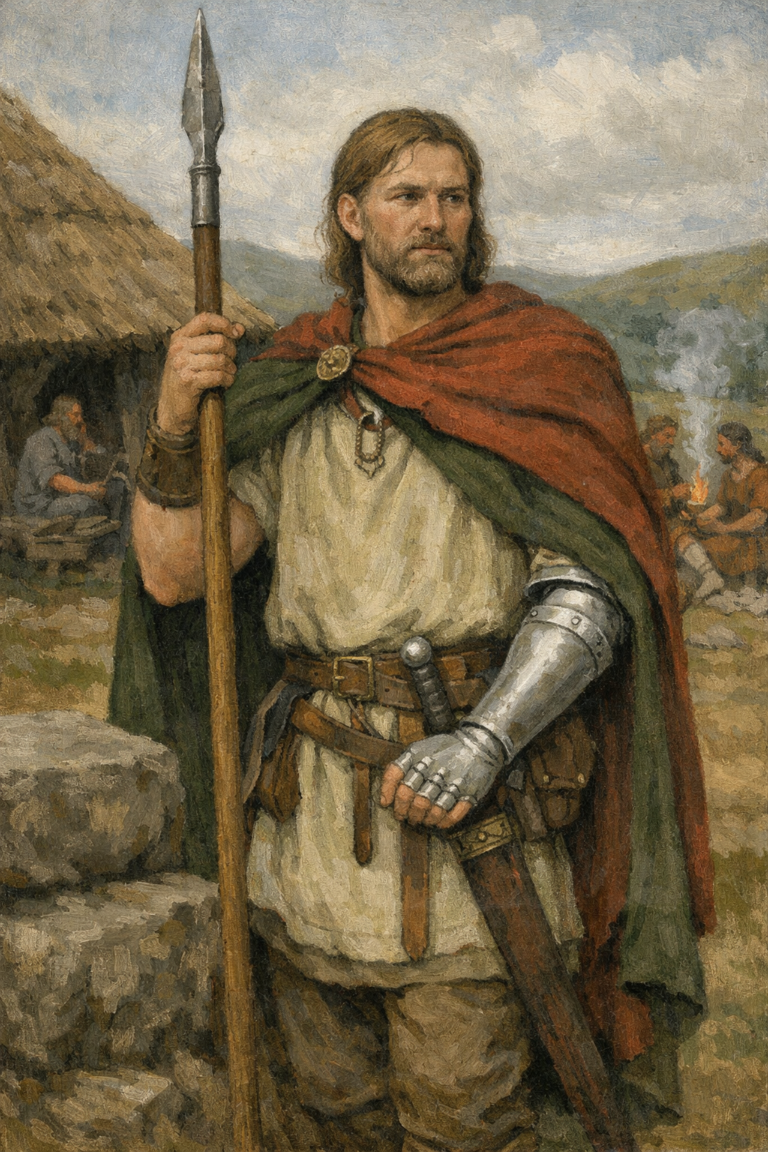
An illustration of a Celtic man holding a spear, wearing a cape, arm armor, and surrounded by a natural landscape.
Irish
First king of the Tuatha Dé Danann whose severed hand was replaced by a silver one. Nuada embodies the principle that rulers must be whole and worthy, and that skill and justice restore right order.

Ogma

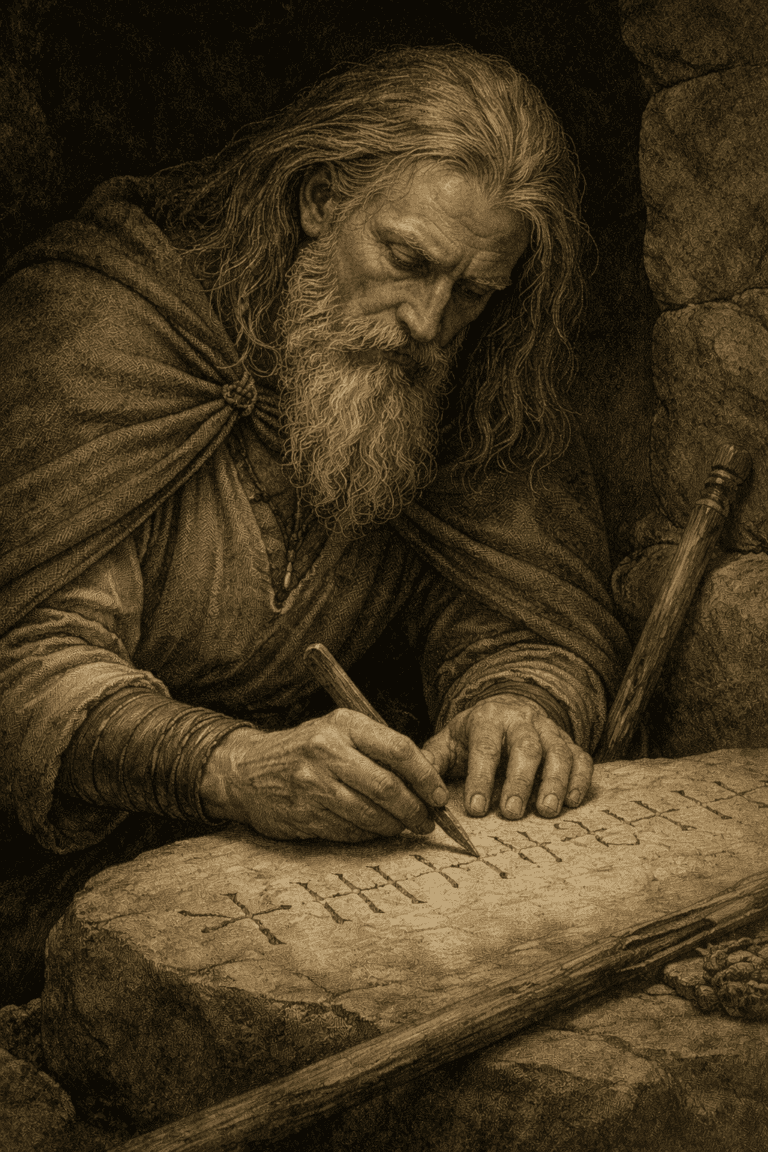
Old man carving ogham script on stone, dressed in rustic Celtic-style clothing, surrounded by stone.
Irish
God of eloquence and strength, often credited with creating Ogham, the early Irish script. Ogma ties speech to power, showing how words bind, inspire, and contend.

Rhiannon

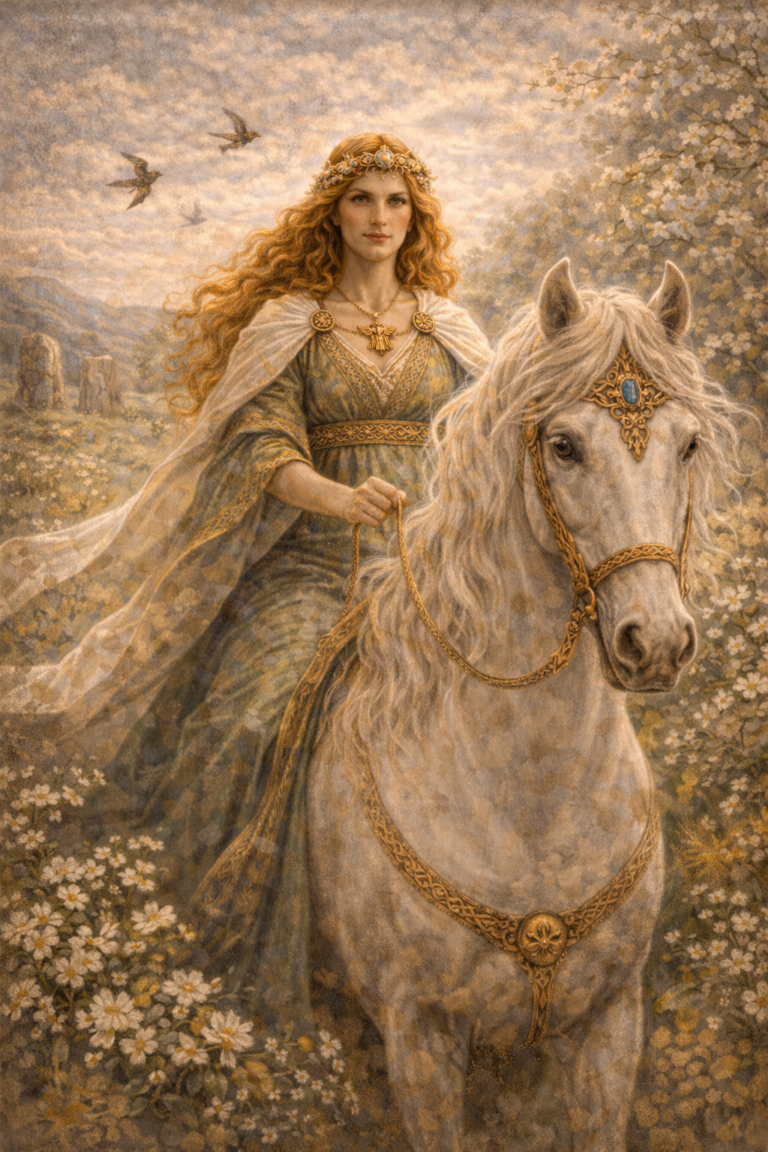
Ethereal woman in medieval-inspired Celtic dress and gold jewelry on a white horse, in a lush, flowering landscape.
Welsh
Otherworld lady of horses, sovereignty, and steadfast endurance. Rhiannon chooses her own path, rescues her reputation with grace, and returns honor to her household.

Rosmerta

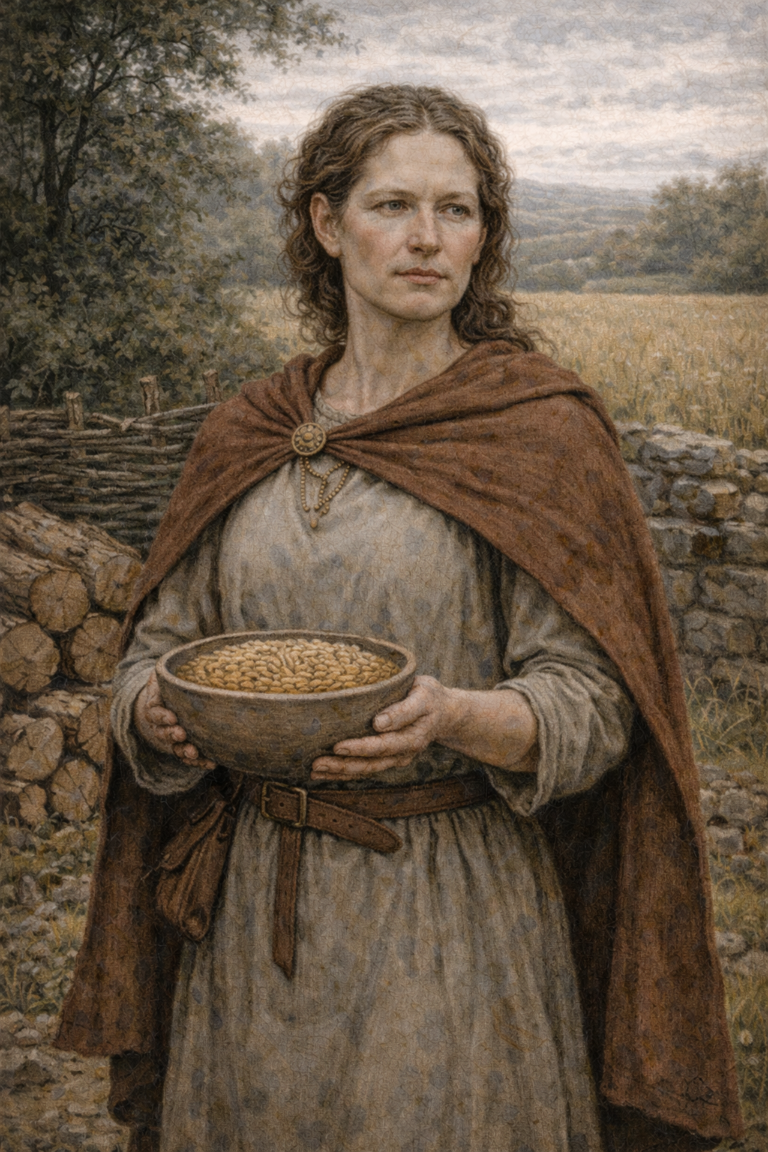
A woman in historical attire holding a bowl of beans outdoors near stone walls and trees.
Gaulish
Great Provider of Gaul, bringer of prosperity, healing, and the quiet dignity of a well-tended home.

Scáthach

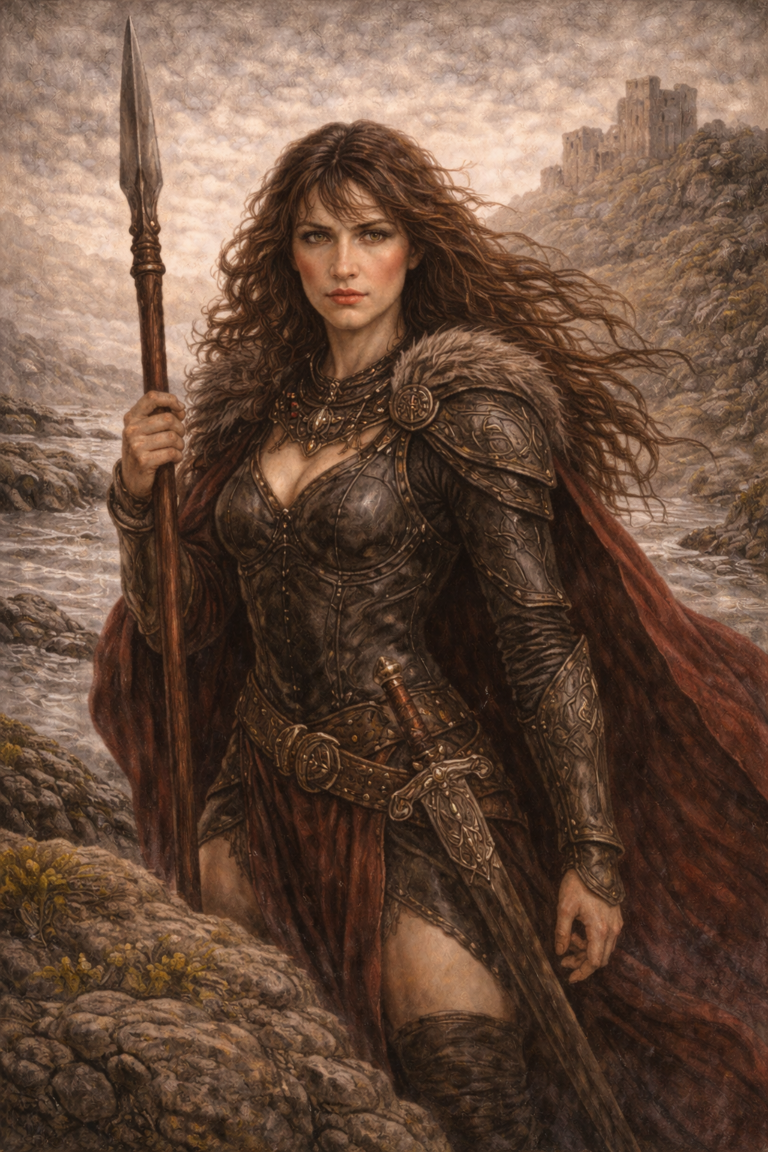
A fierce female warrior holding a spear, adorned in leather armor with intricate designs, standing by a mountain river.
Irish, Scottish
Scáthach is a legendary warrior woman and martial instructor from Irish and Scottish tradition, best known as the trainer of Cú Chulainn. Dwelling at the edge of the known world, she represents mastery earned through discipline, ordeal, and confrontation with fear.

Sucellos

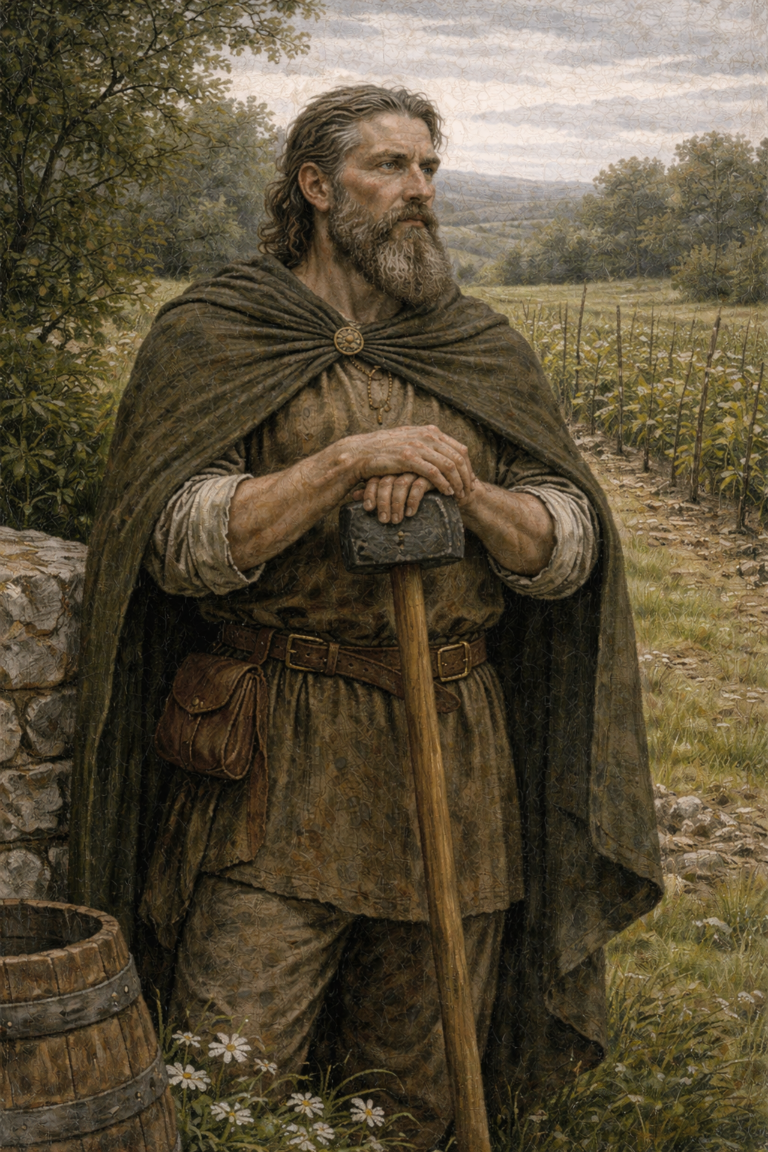
A bearded man dressed in Celtic-inspired clothing stands outdoors, overlooking a field with a walking stick.
Gaulish
The Good Striker, mallet-bearing Gaulish god of abundance, wine, and the gentle protection of the dead.

Taranis

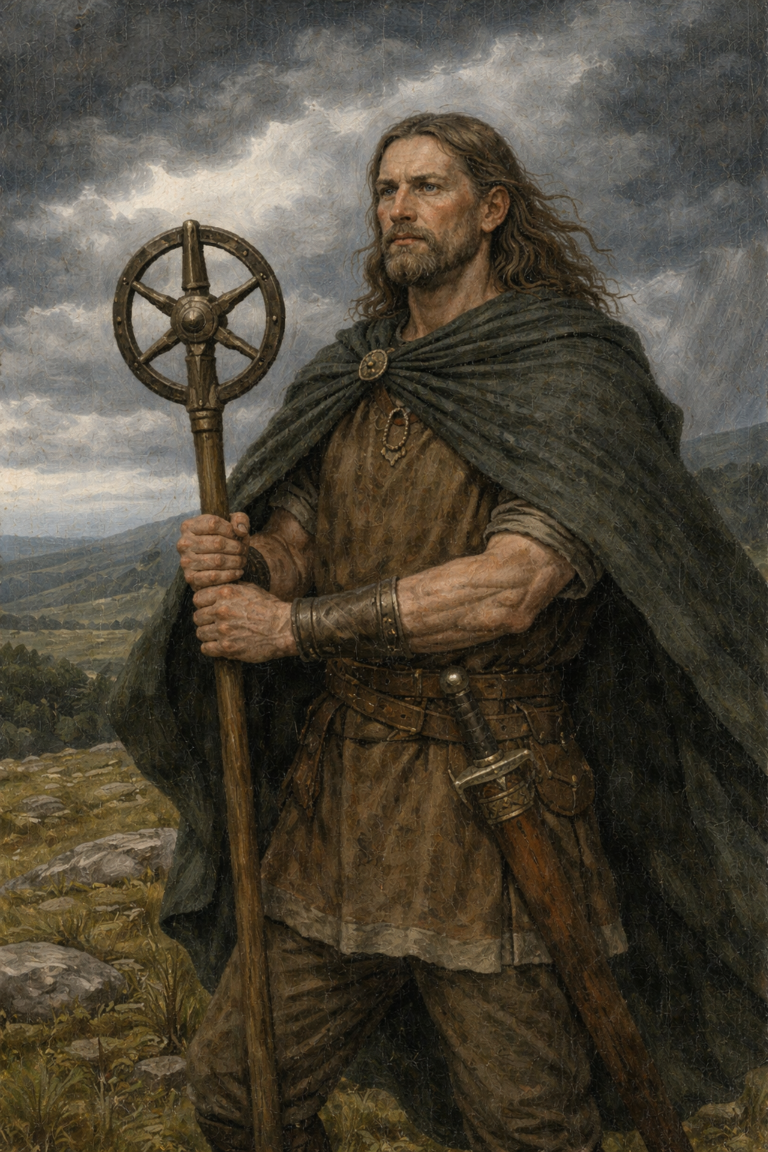
A detailed painting of a Celtic warrior dressed in traditional attire, holding a staff, against a mountainous landscape.
british, Gaulish
Gaulish god of thunder and sky, often depicted with a wheel and lightning. Taranis embodies celestial order, protective fire, and the awe that follows storm.

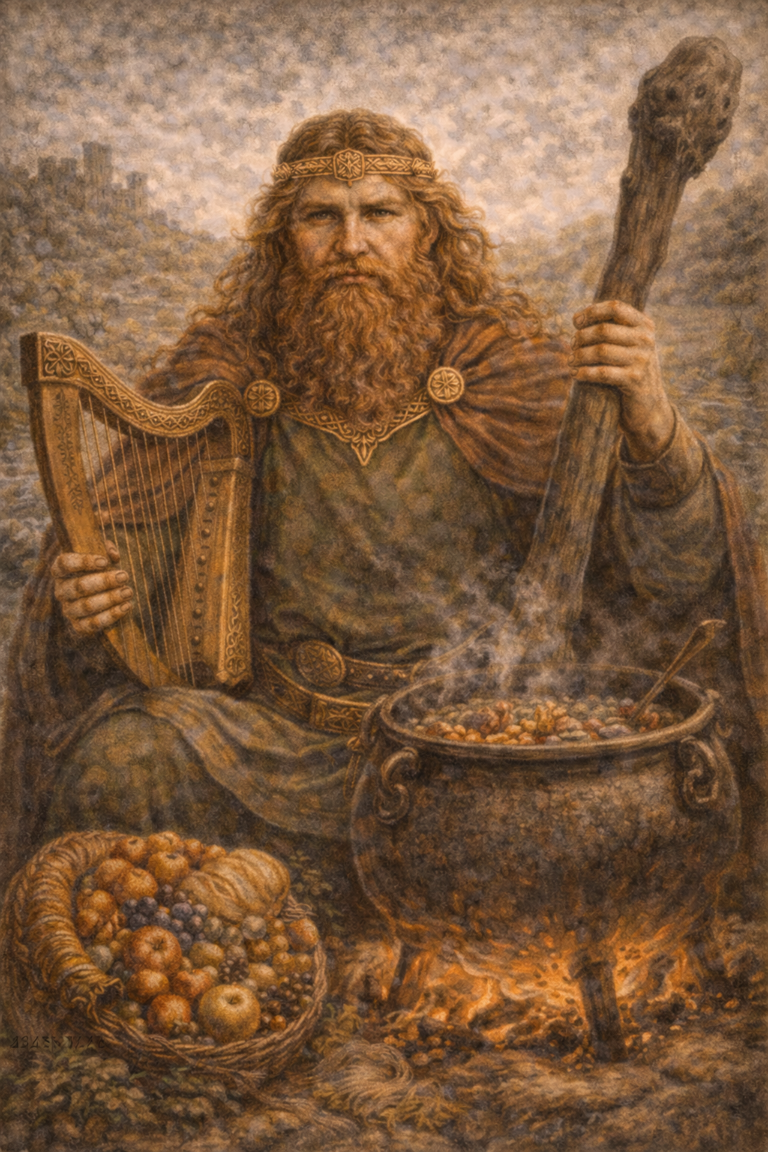
The Dagda

A bearded man dressed in ancient Celtic attire, holding a staff and a lyre, seated near a fire with a bubbling cauldron.
Irish
Great king and master of abundance, the Dagda wields a cauldron that never runs empty, a club that kills and revives, and a harp that orders the seasons.

The Morrígan

Alt text: Woman dressed as druid warrior holding skull and sword, surrounded by ravens and moonlit sky.
Irish
A powerful, shape-shifting goddess of battle, prophecy, and sovereignty. The Morrígan appears as crow or woman at the threshold of conflict, foretelling fate and stirring courage or terror.