
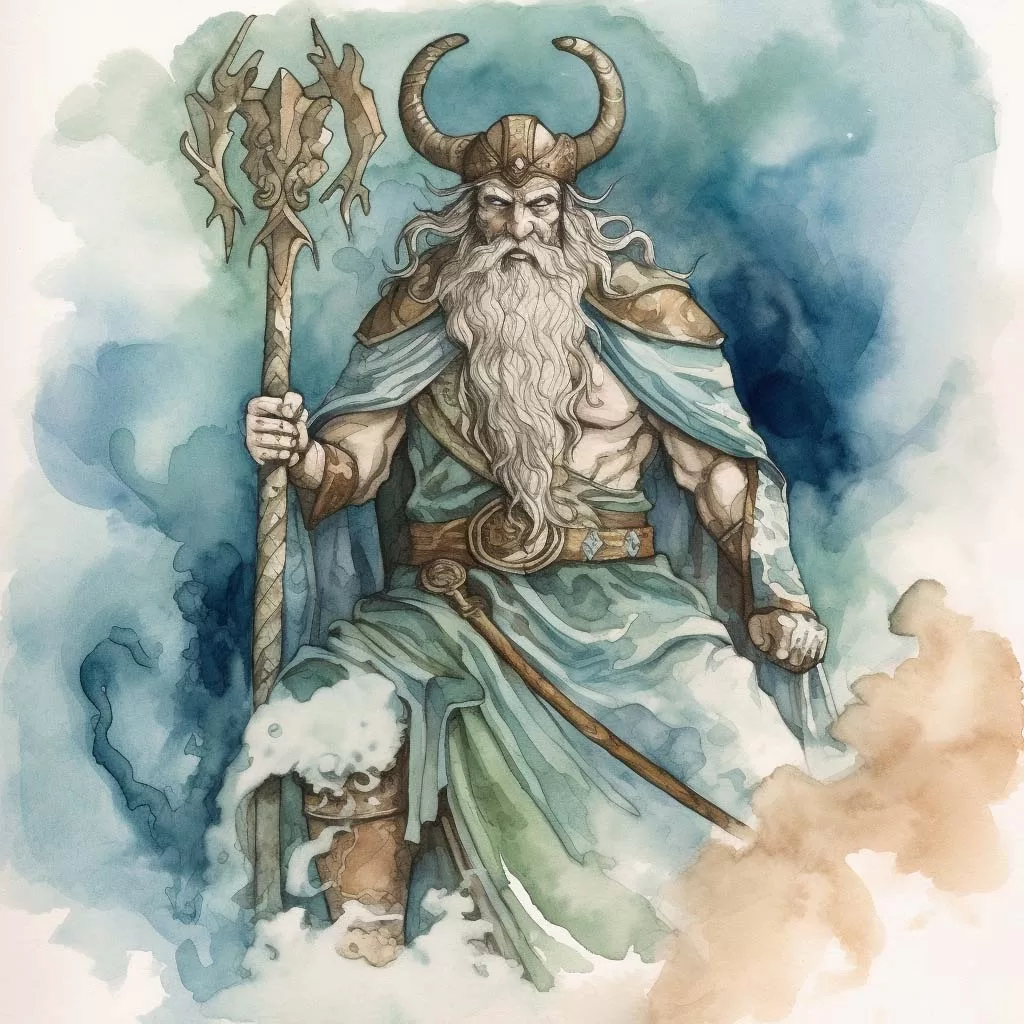
TaranisGaulish god of thunder and sky, often depicted with a wheel and lightning. Taranis embodies celestial order, protective fire, and the awe that follows storm. more... is the thunder-bearing sky god of the Gaulish and Romano-Celtic world, often depicted with a wheel and a bolt of lightning. Where Roman Jupiter hurls his thunder and the Norse Thor swings a hammer, Taranis turns the cosmic wheel: storm and clear air arrive in due order, and the heavens themselves participate in justice. Dedications to Taranis cluster on high ground and open skies, places where people watched weather and prayed for balance between drought and flood.
Why a wheel? Scholars point to solar symbolism, to chariotry, and to the orderly revolutions of the heavens. The wheel reminds us that thunder is not mere noise; it resets equilibrium. Storms clean the air and water the fields, and fire,carefully tended,protects the community. Under Taranis, flame is purifying rather than wanton. Lighting a safe votive candle, practicing fire-safety, or supporting those who fight wildfires are contemporary offerings that match his ancient character.
For beginners, Taranis is a patron of oath-keepers and guardians. When you promise, you align your speech with the sky’s clarity. When you protect, you imitate the storm that keeps worse chaos at bay. He sits comfortably beside LughMany-skilled champion of the Tuatha Dé Danann; patron of arts, oaths, and victory. Lugh is the bright master of every craft whose festival Lughnasadh marks... more..., whose bright skills lead the Tuatha to victory, and near the DagdaGreat king and master of abundance, the Dagda wields a cauldron that never runs empty, a club that kills and revives, and a harp that... more..., whose harp orders the seasons; each maintains cosmic order in a different register,lightning, craft, and plenty.
Approach Taranis with respect and pragmatism. Speak truths that are clean, not cruel. Keep a small, safe flame and snuff it deliberately. Look up after a storm and notice how the world feels rinsed and ready. If you need courage to testify, to report, or to stand publicly for what’s right, ask Taranis for a clear moment. The sign may not be literal thunder, but you will feel the air change,and know it is time.