The Celtic Gods and Goddesses

These are the Powers who walk between land, sea, and sky… they shaped the stories that shaped us.
Featured Deities

Goddess of healing, poetry, and craft; a bright, many-skilled patron of hearth and inspiration. Brigid bridges sacred fire and fresh water, blessing poets, healers, smiths, and households.
Many-skilled champion of the Tuatha Dé Danann; patron of arts, oaths, and victory. Lugh is the bright master of every craft whose festival Lughnasadh marks the first harvest.
A powerful, shape-shifting goddess of battle, prophecy, and sovereignty. The Morrígan appears as crow or woman at the threshold of conflict, foretelling fate and stirring courage or terror.

Recently Updated

Lleu Llaw Gyffes
Lleu Llaw Gyffes
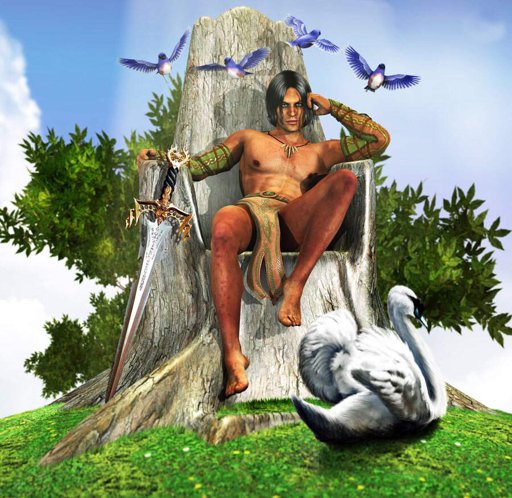
Lleu Llaw Gyffes steps into the Fourth Branch of the Mabinogion as a youth both gifted and constrained. His ve…
Cerridwen Goddess of Wisdom & Rebirth: Ways to Work With Her
Ceridwen
Among the figures of Welsh mythology, none embodies transformation as fully as Cerridwen, the keeper of the ca…
Mabon ap Modron
Mabon ap Modron
Mabon ap Modron, “the Son of the Divine Mother,” stands as one of the most evocative figures in Welsh mytholog…
Modron Goddess: Exploring the Fertility and Maternity Deity of ...
Modron
The figure of Modron, the “Divine Mother”, flows through Celtic mythology like an underground river, surfacing…

Who were the Gods and Godessess

The Celtic deities are a diverse group of gods and goddesses found across the ancient cultures of Ireland, Scotland, Wales, and Gaul. Rather than forming a single, unified pantheon like the Greeks or Romans, Celtic deities are deeply regional and often tied to specific landscapes, tribes, and natural forces. Many embody roles connected to everyday life, such as craftsmanship, healing, poetry, warfare, and kingship… while others personify rivers, hills, seasons, or the boundaries between the human world and the Otherworld. Although details vary by region and surviving sources, Celtic deities consistently reflect a worldview in which nature, sovereignty, and the supernatural are closely interconnected. Here, gods act less as distant rulers and more like active participants in the rhythms of the land and the lives of its people.
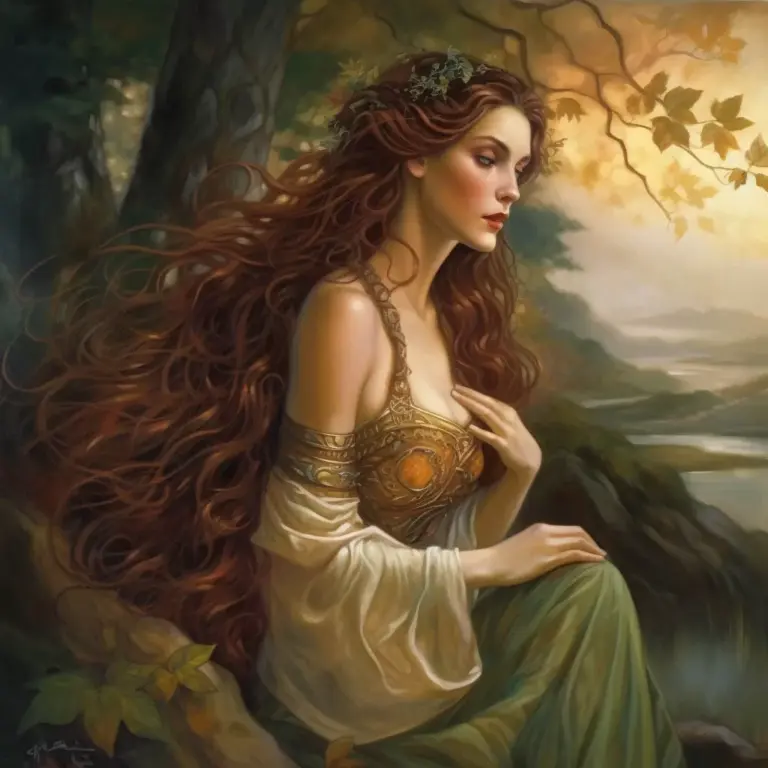
Browse All Deities

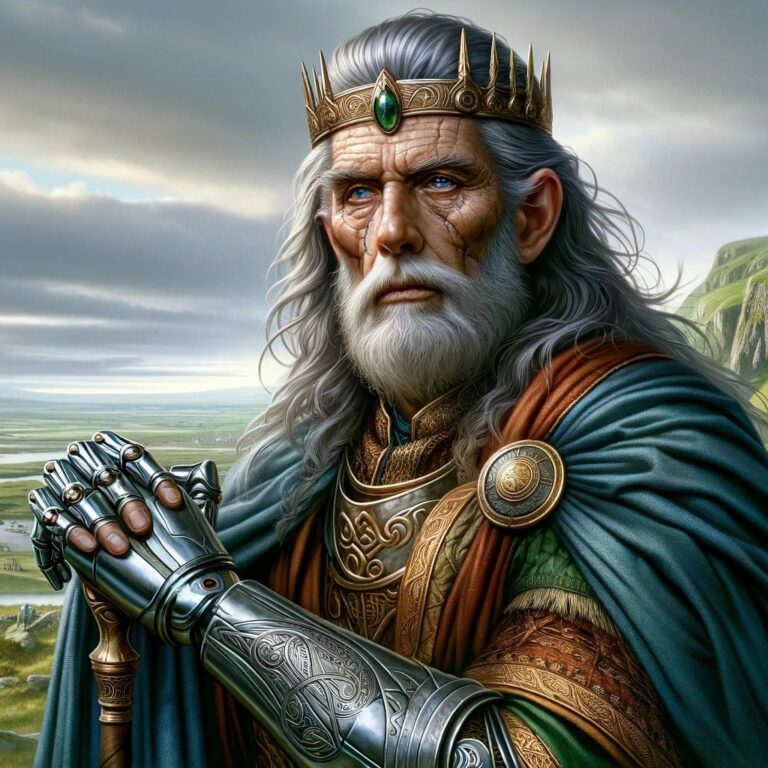
Nuada Airgetlám

Irish

First king of the Tuatha Dé Danann whose severed hand was replaced by a silver one. Nuada embodies the principle that rulers must be whole and worthy, and that skill and justice restore right order.

Rhiannon

Welsh

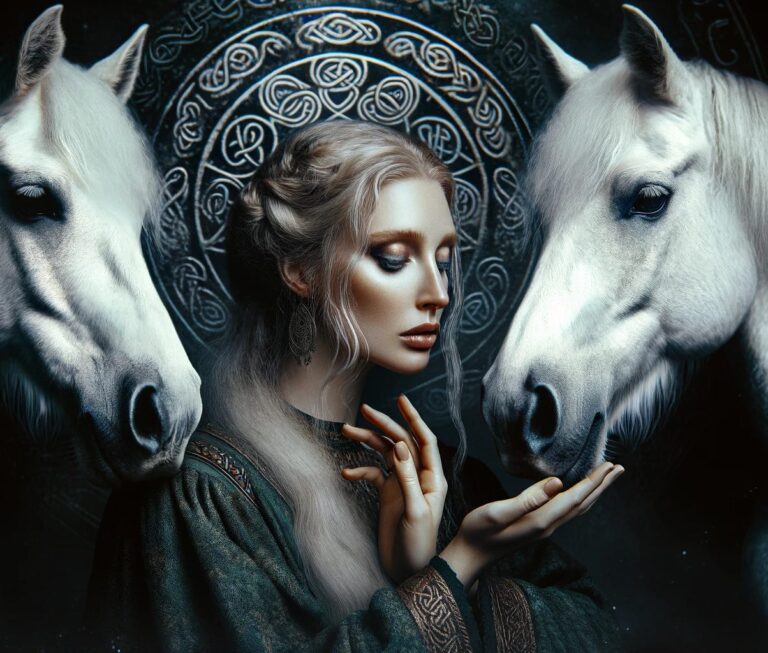
Otherworld lady of horses, sovereignty, and steadfast endurance. Rhiannon chooses her own path, rescues her reputation with grace, and returns honor to her household.

Arawn

Welsh

Lord of Annwn, the Welsh Otherworld, who rules with justice and hospitality. Arawn tests character, rewards honor, and stands at the crossing between life and death.

Epona

british, Gaulish

Horse goddess revered across Gaul and the Roman Empire. Epona protects riders and herds, blesses travel and fertility, and stands as a symbol of freedom and well-being.

Taranis

british, Gaulish

Gaulish god of thunder and sky, often depicted with a wheel and lightning. Taranis embodies celestial order, protective fire, and the awe that follows storm.

Ogma

Irish

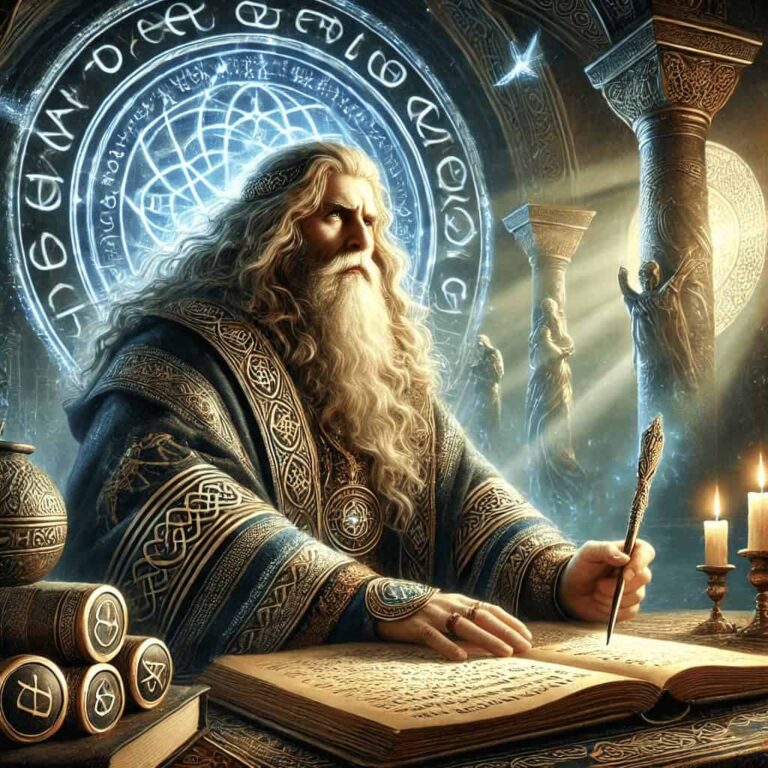
God of eloquence and strength, often credited with creating Ogham, the early Irish script. Ogma ties speech to power, showing how words bind, inspire, and contend.

Aengus mac Óg

Irish

Poetic, youthful god of love and dream-vision, son of the Dagda and the river goddess Boann. Aengus charms with hospitality and cunning, guiding seekers toward joy and true belonging.

Boann

Irish

Goddess of the River Boyne, associated with inspiration, fertility, and the generous flow that nourishes both land and story. Mother of Aengus by the Dagda.